Search Results
168 results for “Nocturnal”
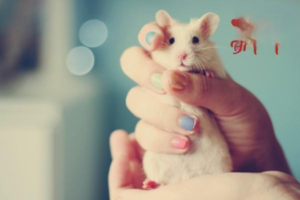
Caring for a Roborovski Hamster
The Roborovski (or 'father' dwarf hamster) is tiny and timid, so it needs a warm acrylic cage, a calm adjustment period, and a varied but careful diet — avoid loquat, peach and spicy food. Watch for cheek-pouch inflammation and clean the scent gland regularly.

The Body Structure of a Hamster
Many people love hamsters but few know how their bodies work, such as that hamsters have poor eyesight. Here is a close look at hamster body structure.

Why Is Your Hamster Lethargic, Sleeping Constantly, and Not Eating?
A new hamster may just be settling in or frightened; heat or illness (cold, gut infection, parasites, low sugar, injury) can also cause lethargy and appetite loss. Hamsters are nocturnal, so daytime sleep is normal - constant sleep with other symptoms means trouble.

Chinchilla Care Basics: What Living Environment Do Chinchillas Need?
Chinchillas come from the dry, cool Andes, so they need 10-25 C and 40-60% humidity, dim light, fresh air without drafts, a quiet spot, and a tall cage placed up high where they feel safe.

Why Chinchillas May Not Be for Everyone: Drawbacks and Who Should Avoid Them
Chinchillas are gentle but timid, shed, chew things, interact little, and overheat above 30 C. They suit allergy-free, patient, financially ready owners who can keep a quiet, cool, dry home - not light sleepers or the impatient.

What Not to Do When Raising a Rabbit
Pet rabbits need care and skill; they are fragile with sensitive guts and specific temperature and humidity needs. Neglect leads to illness and death. Here are the don'ts of keeping a pet rabbit.

Do Pudding Hamsters Bite? What to Do If One Bites You
Pudding hamsters are gentle and rarely irritable, which makes them good for beginners, but they may bite when very nervous or frightened—typically from a new home, being grabbed wrong, sensing another hamster's scent, or smelling food on your hand. Bites rarely carry rabies; rinse any bleeding wound with soap and running water for 15 minutes and disinfect, and see a doctor for deep or heavy bleeding.
How good is a cat’s daytime vision?
A cat's daytime vision is also good because its strong hunting ability gives keen observation to catch fast small animals. Its eyes sit more to the sides, giving a wider horizontal field. But its vision is poorer than a human's, only about 200 degrees. It has few cone cells, seeing blue, green and yellow but not red. As a nocturnal animal, its vision is sharper at dusk and night.
How long do otters live?
Otters generally live 15-20 years, some reaching 20. Wild otters face hazards and illness so live shorter. They are burrowing, nocturnal, solitary and good at diving and swimming, grouping only in breeding season, and can produce 1-5 pups per litter year-round.

Are Chinchillas Prone to Heatstroke? How to Treat It
Chinchillas are very heat-prone: their thick Andean coat resists cold but they have few sweat glands, so heat and humidity quickly cause fatal heatstroke. Cool a stricken pet with ice and a fan, wipe alcohol on thin-furred spots, give a cooling remedy, and rehydrate — and keep the room below 28°C, ventilated, and shaded in summer.