Search Results
168 results for “Nocturnal”
Is a Rabbit a Nocturnal Animal?
Rabbits are nocturnal, active at dawn and dusk with eyes that gather light. Side-set eyes give a wide field of view to spot surroundings in low light.

What Are a Pet Rabbit’s Habits?
Pet rabbits are clean and dryness-loving, timid and noise-shy (a fright can stall a doe's labour), cold-hardy but heat-sensitive (adults like 15–25°C, kits 30–32°C), nocturnal feeders (up to 75% of food at night), keen burrowers, and same-sex squabblers — so give them a dry, quiet, cool, burrow-friendly home and nightly meals.

What Are the Large Rabbit Breeds?
Popular large rabbit breeds include the French Hotot (8–11 kg, with panda-like eye markings), the gentle Holland Lop (2–2.5 kg), the fast-growing American Angora (5.3 kg by 11 months), and the massive Belgian Giant Chinchilla (record 12.7 kg). Each differs in temperament and care needs—Holland Lops are heat-sensitive and nocturnal, while Angoras are herbivorous wool producers.

The Benefits of Keeping a Pet Rabbit
Pet rabbits — dwarves, lops, Dutch and more, under 2.5 kg, living 7–10 years — are gentle, nearly odorless, quiet, and smart enough to learn their name and litter habits, making calm nocturnal companions. Keep them in a half-meter cage in an open spot, and feed mainly hay plus quality pellets (no fresh food under 2 months; hay as the adult staple). Bonding takes effort, but the reward is years of quiet company.

Common Household Cat Breeds
Household cats are mostly local companion breeds. China's best-known are the native Li Hua (recognized by the CFA as a true Chinese purebred, smart and a great mouser), the calico (mostly female), the yellow tabby, the Lion Cat (a cold-hardy Persian cross from Shandong), plus wild relatives like the clouded leopard and leopard cat that are protected species, and the black 'xuan' cat long seen as auspicious.

Is It Safe to Sleep with Your Cat?
Sharing a bed is cozy, but not for everyone: cats are nocturnal and may disturb sleep, track litter, and trigger allergies or asthma in up to 30% of people. Keep the cat vaccinated and dewormed, separate it from infants, and make sure it's litter-trained first.

Why Cats Chase Mice They Don’t Eat
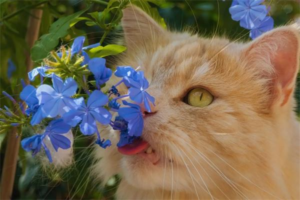
Cats hunt mice mainly to get taurine, an amino acid they can't make and that protects vision, heart, digestion, reproduction, and immunity; a fed house cat gets it from food, so it won't eat the catch. The chase itself is instinct and a way to burn off night-time energy, and it also helps control rodents around us.
Why Do Cats Eat (and Catch) Mice?
Cats hunt mice mainly to get taurine, an amino acid they cannot make and that protects their eyes, heart, and immune system — and mice were an easy, abundant nocturnal prey. Well-fed pets no longer need them for nutrition, but the hunting instinct and surplus energy keep the chase alive.

Chinchilla Buying Guide and Preparations for New Owners
Choosing a chinchilla comes down to appearance, temperament, health, and age — a thick soft coat, rounded face, clear eyes, dry nose, clean teeth, and a minimum of 3 months old are the signs to look for. Before bringing one home, set up a multi-level cage, cooling for hot weather, chinchilla dust for baths, proper pellets and hay, and a quiet night-time spot.

Do Hamsters Like Sunlight, and How Should You Let Them Sunbathe?
Hamsters are nocturnal burrowers that enjoy a little gentle sun but must never be left in harsh direct light or for long — doing so risks eye damage, heatstroke, and a ruined sleep cycle. Offer brief, shaded sunbathing in the cooler part of the day, keep it under an hour, and skip it for very young hamsters.