Search Results
168 results for “Nocturnal”

What Are a Cat’s Natural Behaviors?
Through a long shared history, cats now fit urban life; varied yet affectionate, they make us gladly serve them. Today let's discuss their biological traits.

A Cat’s Favorite Things
Many expect a cute kitten, but once home you find odd little habits. The sweet cat of fantasy may be an aloof solo soul. If the dream breaks, return to reality: learn your pet's interests and enjoy life together.

Cat Care Guide for Autumn and Winter Shedding Season
Today let us talk about cat care tips for the autumn-winter transition.

Are Black Cats Omens of Misfortune?
I never looked deeply into black cats before, thinking they're no different from other cats.

How to Stop Your Cat Waking You at Night
Cats are nocturnal, so night yowling is common. Burn energy by day, meet needs before bed, keep a feeding routine, ignore attention-meows, and stay consistent.

Why Cats Cover Their Faces While Sleeping
Cats sleep in all kinds of strange positions. Have you noticed your cat likes to sleep with its face covered? Is it shyness? What is the real reason?

Daily Care for Cats
A few things to know about keeping cats. Homes with pet cats must pay special attention to cleaning; this affects both the pet's health and our own lives, but some corners are always overlooked. Let's look at daily care notes for raising cats.

What to Know Before Getting a Hamster
Before keeping a hamster, learn its basics: it is solitary (one per cage to avoid fights), comes in types like dwarf, robo, and teddy differing by coat, has a scent gland that may need cleaning in heat, is nocturnal so use a quiet wheel or keep it from bedrooms, and needs a clean cage and no strong smells nearby. Lifespan is only 2–3 years, so commit fully.
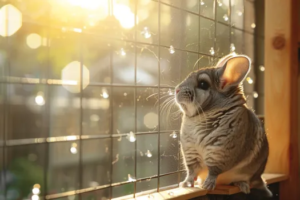
Can Hamsters Sunbathe?
Hamsters should never be put in direct sunlight. As nocturnal animals their eyes are built for low light, so sun exposure can injure their eyes; their safe temperature is around 25°C, above which they risk heatstroke and death within minutes; and bright light stresses them badly. In winter, keep them warm with extra bedding and a warmer, well-ventilated room instead.

European Hamster: An Introduction
The European (black-bellied) hamster looks like a common hamster but differs sharply in temperament. It is far larger — up to 34 cm and 900 g — nocturnal, fiercely solitary and wild, with strong territorial instincts and a true hibernation from October to March; it can live up to eight years and is now near extinction.