Search Results
58 results for “Mood reading”

Can Cats Tell Men and Women Apart?
Cats don't grasp the social idea of gender, but they do tell people apart by scent, sound, and body size. Their smell is about 14 times keener than ours, picking up human hormones and pheromones — including pregnancy and menstrual changes — so a cat may sense a woman is pregnant or cycling before she realizes it.

What Your Cat’s Eyes Are Telling You
A cat's eyes reveal its mood: half-closed eyes mean relaxation, wide round eyes signal surprise (or stress if paired with flattened ears and a puffed tail), and a slow blink is a feline kiss. Looking away is a sign of trust, while dilated pupils show focus or fear.

Why Is Your Dog’s Tail Tucked Between Its Legs?
A tail tucked down usually signals fear, nervousness, or discomfort. A slight tuck may mean mild unease or wariness of a stranger or possible danger; a tail pressed tightly under the body points to real fright or stress. It can also stem from illness or pain, including a tail injury. Watch the dog's posture and other signs—comfort an anxious dog, and if pain or other symptoms appear, see a veterinarian.

When Does a Dog Wag Its Tail Excessively?
Tail wagging is a dog's way of expressing feeling. Happiness, excitement, and greeting owner or stranger are common triggers, as are play, rewards, and curiosity about something new. The speed, posture, and rhythm carry different meanings—a loose, broad wag signals joy, while a stiff, high tail can be a warning. Learning to read the tail helps you respond to your dog's emotions correctly.

Why Does My Dog Lick Me?
Dogs lick people for many reasons—affection, hunger, joy, anxiety, or simple habit. As puppies, their mother licks them clean, so licking becomes linked with closeness and love, and a dog may lick you to say 'I like you.' It also gathers information, seeks attention, or appeases you after misbehaving. When stress or anxiety drives constant licking, it can signal discomfort. If you dislike the behavior, train gently without hurting the bond; if licking is excessive, check for underlying worry or illness. Reading the context tells you what your dog is really saying.

Why Does Your Dog Stare at You?
A dog's steady gaze isn't just a stare; it communicates. Your dog may be hoping for a fallen bite, seeking attention, waiting for a command, expressing love, asking for protection, or reading your mood. But a hard stare with tense muscles and a low growl is a warning to look away and back off slowly.

Why Dogs Get Puffed-Up Fur (Raised Hackles)
When a dog is angry, scared, or thrilled, the fur along its back may stand up—a reaction called piloerection, or 'raised hackles.' The fur around the neck is special: it has a strong self-restoring ability, so even after a long episode, it returns to normal once the dog calms; other body areas lack this. Some breeds show it more, some less, and the extent varies—neck only, neck-to-rump, or tail. A special muscle attached to the follicles pumps air between hairs to create the effect, and it is involuntary, part of instinct. The purpose is to look bigger, like cats, porcupines, and pufferfish. You can even read a dog's mindset from the pattern: a narrow band from neck to tail means confidence (and a higher chance of initiating attack); three-quarters of the neck raised means insecurity; neck and tail raised but the middle calm means confusion—the best moment to build trust.
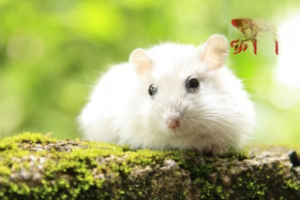
Why Is My Golden Hamster Squeaking Constantly?
Golden hamsters are normally quiet creatures that sleep by day and run on their wheel by night, so constant squeaking is a signal worth reading. It can be completely harmless—a dream, a startle, or a sulk—or it can mean real distress from illness, injury, or a perceived predator nearby. Because the tone differs between a content chirp and a pained wail, owners should learn to tell them apart. This guide covers the five common reasons a hamster cries out and when a vet visit is the right call.
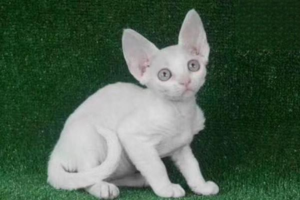
The Curious Sleep Positions of Cats
Cats seem to sleep all day, but about three-quarters of their 16–20 hours is light dozing; true deep sleep is only 4–5 hours. Sleep cycles through four stages—onset, light, deep, and dream (REM)—where growth hormone repairs the body. Positions reveal mood: the loaf (alert but resting), the curl (cozy and secure), side-sleeping (deeply relaxed, may dream-kick), and the belly-up surrender (total trust). Reading the pose tells you how safe and calm your cat feels.

The Hidden Meanings in Your Cat’s Tail
A cat's tail is a rich mood telegraph. A tail held high and quivering while the cat rubs on you is pure trust and affection (it recalls mother cats stimulating kittens to eliminate). A still tail with a hooked tip means content and relaxed; an upward wag while weaving around you is begging like a dog; a low or tucked tail signals fear; a tail sweeping the floor means alert and about to act; a puffed, thrashing tail is a clear 'back off' before attack. When the tail is perfectly still, the cat trusts you most—like family.