Search Results
58 results for “Mood reading”

Goldfish Moods and Behavior: Reading Their Emotional and Health Signals
Goldfish express distinct moods through their swimming and feeding behavior: active, eager swimming signals contentment, while prolonged bottom-sitting or lying on the side often points to stress, fear, or illness. Because low mood and sickness can look alike, judge a fish by its body color, gill condition, water quality, and appetite rather than behavior alone.
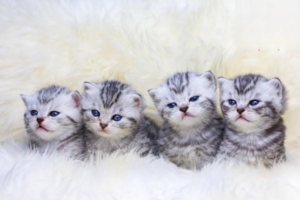
Reading Your Cat’s Mood Through Its Tail
Cats have far fewer facial muscles than dogs or people, so they look 'poker-faced' - attacks or escapes can seem to come from nowhere. But the tail is the open window to mood. A puffed, bristling tail means fear or threat; a tail tucked between the legs signals extreme fright and insecurity; a vertical tail with a hooked tip is a happy greeting; a high straight tail showing the rear is confident love; a gently swaying tail means 'I hear you'; and a tail lashing side to side is irritation, not joy like a dog's wag. Read the tail and you will understand the cat.

Reading a Cat’s Mood from Its Posture
A cat broadcasts its feelings through posture. A relaxed cat stands straight with a low tail and forward ears; a threatening one lifts its head and rump to look bigger; a terrified cat curls small with folded ears and a tucked tail; a cat bluffing bravado puffs up its fur while still afraid. Learn the poses to understand your cat.

Reading Your Cat’s Body Language
A cat's purrs, ears, tail and posture all send messages. From the 'airplane ears' of annoyance to the belly-up trust and the thoughtful 'slow blink', learning these signals helps you understand and bond with your cat.

Reading Your Cat’s Emotions Through Body Language
Cats show relaxation, happiness, play, fear, anger, and illness through posture, tail, eyes, and ears. Learning these signals helps you respond calmly and protect both of you.

Reading Hamster Body Language
Hamster body language reveals mood: eating in your hand or climbing on you means trust; squeaking, standing, or rolling onto the back means anger; grooming or relaxed ears means calm; pacing or over-running the wheel means stress; and chewing or hiding can signal discomfort.

How to Read Your Cat’s Mood From Its Ears
A cat's ears are a precise emotional radar: 32 independent muscles let them rotate 180 degrees to pin sound, and their position shifts with mood in real time. Forward and relaxed means content and trusting; upright and swiveling means alert and defensive, so don't disturb; flat back against the head (the "airplane ears") means fear or stress and a risk of fleeing or lashing out, so move the cat to a calm space and consider a pheromone spray. A single tilted ear shows curiosity, and frequent flicking just means something tickled the ear. Reading these cues helps you interact at the right moment and avoid forcing contact when the cat is uneasy.

Reading Your Dog’s Personality From Its Sleep Pose
Sleep poses hint at mood. Belly-up is rare—dogs are guarded and the belly is vulnerable—so a dog that sleeps on its back by you feels safe and loved, and tends to be upbeat (it's also comfy). Flat-out (legs folded) is the common self-protective pose for quick reaction, often signaling low security—these dogs may sleep under beds or tables. Side-lying is relaxed yet still ready to react; smart dogs sleep lightly to stay safe. Curled-up dogs lack security too but are usually gentle and obedient—though a curled pose can also mean the dog feels unwell, so watch closely.
What happens if a cat’s tail is cut off?
Cutting off a cat's tail causes loss of balance and easier injury, less activity, and weight gain. The tail also expresses emotion, so cutting it removes mood reading and social ability.

Signs That a Cat Is Sad
Cats do feel sadness, and they show it through lost appetite, low mournful meows, a droopy gaze, and attention-seeking misbehaviour. Reading their mood also comes down to vocal tone and tail language — a raised, swishing tail means excitement, while a sharp flick signals anger.