Search Results
127 results for “Mat trimming”

Why Dogs Get Tear Stains and Dirty Fur Around the Eyes
Dog eyes connect to the nose, so when the nasolacrimal duct is blocked or swollen by inflammation, tears cannot drain or evaporate and spill out. Tear stains form when tears and other eye discharge sit uncleaned on the fur and oxidize into dark marks - most visible on light-colored coats. Causes split into innate (flat-faced breeds like Pugs, Bulldogs, Exotic and Persian cats have tight ducts), disease (ear infection, entropion, dacryoadenitis, conjunctivitis), and habits (salty food, overlong fur poking the eye). Clean gently with a boric-acid cotton ball or cool water from the inner corner outward, then apply eye drops; genetic stains need patient, regular care.

How to Treat Cat Chin Acne
Cat 'black chin' is simply feline folliculitis - black specks like coal dust at the hair roots, sometimes red and painful, worsening to pustules, hair loss and itch. Causes: too-oily food, plastic bowls and chewed plastic toys that harbor bacteria, overactive hormones (intact males are prone, especially on tail and chin), and poor grooming or dusty homes that let oil build. Most cases are cosmetic and need no treatment, but switch plastic bowls first; mild cases get a topical antibiotic after warm compresses, and weekly medicated washes. It can strike any cat, any age or sex.

The ‘Sandwich’ Training Trick to Make Your Cat Cooperate
The 'sandwich' method borrows a conversation technique of praise–criticism–praise and applies the same pattern to cat training. Once you master it, tasks your cat used to resist—giving pills, trimming nails, brushing, detangling—will be met with cooperation. The principle is simple: first do something your cat loves (play, treats); then quickly perform the 'scary' procedure (pilling, etc.); and finally end with something it loves again. Learn what your cat enjoys—chin scratches, baby food, laser pointers, catnip—and identify the procedures it fears, from nail trims to temperature checks. With patience you will discover its motivators, and over time the 'scary' routines lose their fright. A small tip: for long procedures like nail trimming, give a full sandwich after each single nail.

Popular Dog Breeds: Pros and Cons at a Glance
Choosing a dog means weighing temperament, exercise needs, grooming, and health risks against your lifestyle. From the gentle, trainable Golden and Lab to the stubborn, shedding Husky and Samoyed, and from compact Corgis and Pugs to tiny Bichons and Yorkies, every breed trades one challenge for another. There is no perfect dog—only the right match. Know the trade-offs before you commit.

Why Does My Dog Snore in Its Sleep?
Dog snoring usually means the upper airway has narrowed so throat tissue vibrates, but the trigger varies: a lodged object, a long soft palate in flat-faced breeds, excess weight, smoke or air pollution, infection, or simply sleeping on the back. Judge by the cause. Fix posture for back-sleepers, slim down an overweight dog, raise room humidity, and for flat-faced breeds ask a vet about trimming an over-long palate. Occasional snoring is usually fine.

What to Know When Grooming a Rabbit’s Coat
Rabbits, especially long-haired breeds, need regular coat trimming, particularly in hot weather. Use proper rabbit grooming tools rather than ordinary scissors to avoid cuts, and work in order from the rump, along the back to the neck, then the sides, belly, legs, and last the head and ears. Comb out tangles first, keep the coat not too short, and never cut the whiskers. Avoid trimming in late pregnancy or winter, and calm the rabbit with help to hold it still.

How Often Should You Trim Your Cat’s Nails?
Indoor cats don't wear their claws down naturally, so regular trimming protects your furniture, your skin, and the cat itself from ingrown or broken nails. Kittens need it every 2–3 weeks, adults about every 2–4 weeks, and seniors every 3–5 weeks. The key is to cut only the clear tip and avoid the pink quick, then reward your cat so the next session goes smoothly.
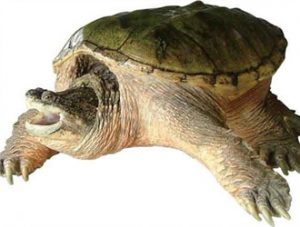
Common Snapping Turtle
The familiar 'small croc' - the most common and cheapest of the four Chelydra subspecies, hardy and pugnacious; a meat/farm turtle more than a pet.

Stripe-necked Leaf Turtle
The Stripe-necked Leaf Turtle (Cyclemys tcheponensis) has a broad distribution and healthy wild populations, and even wild-caught individuals adapt well to human care. A semi-aquatic species, it favors shallow water adjoining land; adults prefer fruit while juveniles lean toward meat.
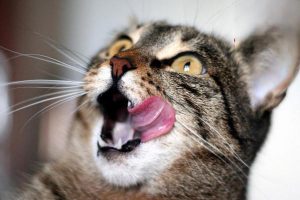
Congenital Coagulation Disorders in Dogs and Cats: Symptoms, Treatment, and Prevention
Congenital coagulation disorders are inherited or acquired deficiencies of clotting factors that cause uncontrollable bleeding from the nose, gut, gums, or after minor surgery. Management focuses on replacing clotting factors, correcting anemia, and preventing injury.