Search Results
127 results for “Mat trimming”
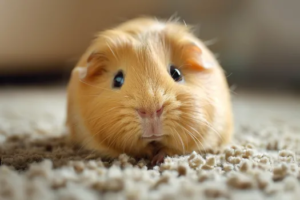
Guinea Pig Coat Grooming and Trimming Tips
Guinea pigs have dense, thick coats that need regular help even though they groom themselves. Brush short-haired pigs about twice a week and long-haired ones daily — more often during the spring and autumn sheds — trim out mats and soiled fur to avoid painful pulling, and keep the rear end clean so stool does not mat the coat.

What to Give Your Rabbit to Chew (Teeth Trimming)
A rabbit's teeth grow continuously, so it needs constant chewing material to wear them down—hay is ideal, and chew sticks, mineral stones, and wooden blocks work well for pets. Without enough wear, overgrown molars can pierce the gums and cause face abscesses. Pelleted feed also helps wear teeth and suits busy owners.

What to Do When Your Dog Has Interdigital Dermatitis
Interdigital dermatitis — inflammation between the toes — comes from fungi, bacteria, or mites and rarely heals on its own, so treat it early. Mild cases need clean, dry paws; worse ones need soaking, draining, and a pet wound spray. Prevention is mostly about keeping the feet dry, trimming paw fur, and not caging the dog on wet bars.

Dog Nail Trimming: Techniques and Care
As wind rises, it is peak metabolism. The coat changes and nails grow fast; too-long nails break and bleed when running, causing inflammation and abscess; severe cases interdigital dermatitis. Owners should check and trim regularly.

Dog Licking Toes or Kicking Legs? Beware Interdigital Dermatitis
Paw care is easily overlooked by owners, but it is necessary—pad care and nail trimming protect paw health and prevent interdigital dermatitis. Today we explain what interdigital dermatitis is and what happens when a dog gets it.

Why Dogs Get Interdigital Dermatitis and How to Prevent It
Owners may find, while trimming nails or bathing, that the dog's toes are red and swollen, or see it licking its paws constantly. If so, beware—your dog may have interdigital dermatitis. What is it, why does it happen, how to prevent? Below we explain.

Signs of Canine Interdigital Dermatitis and How to Handle It
Canine interdigital dermatitis is a skin disease between the toes, usually from paws often getting wet without timely drying, in a long-term damp environment causing bacterial infection. After infection, small pink-red bumps like acne appear, then obvious redness, swelling and pus, and the dog is in pain and afraid to walk. How to avoid and handle it? See our summary.

Signs Your Cat Has Interdigital Dermatitis
Cats love licking their paws because they are clean. But in humid weather, if a cat licks constantly, walks with a limp, or its paws smell bad, beware — it may have interdigital dermatitis. Below we explain what it is.

Smelly Cat Paws? Watch Out for Interdigital Dermatitis
Many cat owners love sniffing their cat's paws, but if they smell bad, would you still get close? Some owners ignore paw odor, thinking the cat stepped in something dirty. But the cause may be disease. Today we look at conditions that cause smelly cat paws, hoping owners take note.
What are the symptoms of interdigital dermatitis in dogs?
Signs include red, itchy, swollen skin between the toes, hair loss, and pustules, with frequent licking or biting. Severe cases cause limping and reluctance to bear weight. Keep the area dry, trim fur, and use iodine, hydrogen peroxide, or erythromycin; severe cases need veterinary care.