Search Results
1501 results for “Loss of appetite”
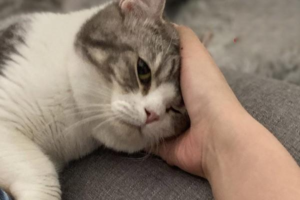
What Is Inflammatory Bowel Disease in Cats?
Feline IBD is a chronic gut disease where inflammatory cells thicken the intestinal wall and block nutrient uptake, showing as persistent vomiting and diarrhea that won't resolve. Food allergy is the top trigger, with bacteria, parasites, and stress as contributors — so pinpoint and drop the offending food.

Why Does a Dog Keep Scratching?
Frequent scratching usually means something is wrong with the skin: over-bathing or human shampoo, fleas and lice, healing wounds, allergic dermatitis, or eczema from bacterial, fungal, or mite infection. Bathe every 2–4 weeks with pet shampoo, deworm monthly (ivermectin or fipronil outside, albendazole inside), fit an Elizabethan collar on healing wounds, and use chlorpheniramine plus a skin spray for allergies. Small areas of eczema can be treated topically; otherwise see a vet.

What to Do When a Bath Gives Your Cat a Fever
Cats chill easily, so a bath that isn't dried thoroughly can turn into a cold and then a fever. Treatment follows the cause and temperature—mild fevers may need nothing but monitoring, while anything above 104.5 F warrants a vet; prevention is simply thorough drying and a warm, draft-free home.
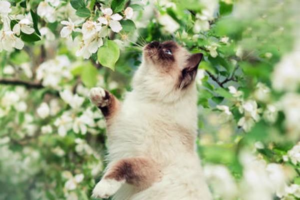
How Weather Affects Your Cat’s Mood and Health
Cats feel weather as keenly as people do, storms, cold, heat, and humidity all shift their mood and health. Watch for heatstroke and hypothermia in extremes, and keep the home between 20 and 25 C with sun, warmth, and steady routine.
What Is Feline Intussusception?
Intussusception — one segment of intestine telescoping into the next — is usually set off by parasites, a swallowed foreign body, or improper feeding and medication, and shows up as appetite loss, lethargy, dehydration, and abdominal pain with a sausage-shaped mass you can feel. Diagnosis rests on bloodwork, serum biochemistry, and X-rays (sometimes a barium study), and once confirmed, surgery is needed promptly to prevent intestinal necrosis and death.

What Is Canine Parvovirus
Canine parvovirus strikes dogs of any age but peaks in late autumn and summer; the enteric form brings sudden high fever, vomiting, and severe diarrhea in 2–6-month pups, while the myocardial form hits around 40-day puppies with sudden breathing trouble and collapse, often fatal within hours. Treatment protects the gut, supports the heart and fluids, and uses hyperimmune serum and antivirals early, with strict isolation and disinfection — and vaccination is the best defense.
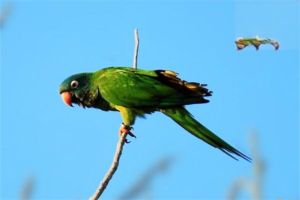
Which Parrot Species Can Talk?
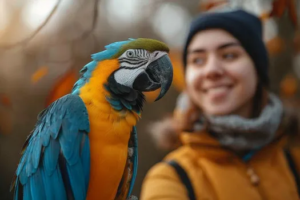
Not every parrot can mimic speech — common favourites like budgerigars and lovebirds generally stay silent. The reliable talkers are the Derbyan parakeet, African grey, sulphur-crested cockatoo, macaws, long-tailed parakeet, and Amazon parrots, each with its own voice, temperament, and training needs.
Best Ways to Treat Diarrhea in a Budgerigar
Diarrhea in budgerigars shows as watery, discolored droppings, a soiled vent, lethargy, and extra drinking — and can be fatal if ignored. Start with garlic water and warmth for a day or two, move to oxytetracycline if there's no improvement, and suspect chlamydia (psittacosis) when eye and nose discharge appear.

How to Prevent Toxoplasmosis in Cats
Toxoplasmosis spreads mainly through cat faeces and infected raw meat, showing as chronic weight loss and anaemia or acute fever above 40°C with breathing trouble — and it can cause miscarriage in pregnant queens. Keep cats indoors, deworm regularly with a product that targets the parasite, cook any meat you feed, and clear litter with gloves to stay safe.

My Dog Has Soft Stools but Is Full of Energy — Does It Need Medicine?
A dog with soft stools but normal energy usually just has mild gut irritation from a new or rich food, and probiotics plus observation are often enough. But watch closely — parasites, parvovirus, or pancreatitis can start the same way, so any later fever, lethargy, or lost appetite means a vet visit.