Search Results
1501 results for “Loss of appetite”

Why Chow Chows Stay Thin (and How to Help Them Gain)
A Chow Chow may stay slim because of a small appetite, high activity, efficient metabolism, a sensitive gut that handles rich food poorly, or an underlying disease such as parasites or malabsorption. Steady, nutritious feeding, moderate exercise, regular deworming, and checkups are the healthy path to a good weight.

Types of Feline Panleukopenia (Cat Parvo)
Feline panleukopenia is a deadly, highly contagious viral disease with a biphasic fever. Beyond the basic form it presents as enteritis, constipation, no-stool, bloody, respiratory, anemia, or mixed types — each needing targeted vet care. Vaccinate to prevent.

Symptoms and Treatment of Orchitis in Dogs
Orchitis is inflammation of the testicle that often spreads to the epididymis. Affected dogs show swollen, hot, painful testicles, a hunched back, reluctance to mate, and whole-body signs like fever and appetite loss. Treatment aims to control infection and prevent chronic shrinkage: cold packs in the first 24 hours, then warmth and support, plus a course of injectable penicillin.

What Causes a Fever in Cats?
Fever in cats comes from infection, inflammation, cancer, or immune disease — with FIP and leukemia the most common mysterious causes. The key is treating the underlying problem, supporting with fluids, and using fever reducers only above 41°C (105.8°F).
What to Do When Your Cat Has Indigestion
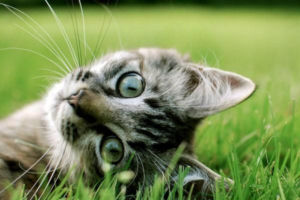
Feline indigestion is a mild gastrointestinal inflammation that disrupts motility, digestion, and absorption; left untreated it hinders growth and can be fatal. Acute cases follow spoiled food and cause violent vomiting and diarrhea, while chronic cases follow overfeeding and cause milder signs, each addressed with a specific herbal formula.

Signs of Calcium Deficiency in Dogs and How to Supplement
Calcium shortage shows differently by life stage: puppies develop rickets with bent legs and pica, adults get tetany and fragile bones, and nursing mothers can suddenly collapse with eclampsia-like spasms. Correction is calcium and vitamin D by injection or mouth, plus sunlight and a proper calcium-to-phosphorus diet.
Signs a Blood Parrot Cichlid Is Nearing Death
As a blood parrot cichlid nears the end of its life, activity and especially appetite drop sharply, and some fish shed scales even without disease. Lethargy and rapid breathing are also clues. Good nutrition, stable water, and disease prevention help extend its roughly two-to-three-year lifespan.

Signs Your Cat Is Jealous
Cats may look aloof, but they're famously possessive. A new person or pet, or any loss of control over its territory, can make a cat insecure and jealous — shown by hard stares, hiding, lost appetite, or puffed-up aggression. The fix is to remove the cause: spread your attention evenly and keep giving the original cat plenty of time and reassurance.
Cat Diarrhea: Symptoms and Herbal Treatment
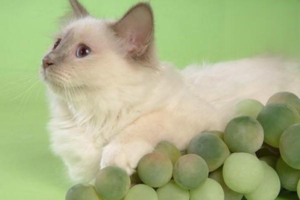
Chronic diarrhea can strike any cat, bringing lethargy, weight loss, abdominal pain, and a rough coat. In traditional diagnosis it splits into damp-heat from spleen weakness (foul, loose stool, red-yellow tongue) and pure spleen-deficiency diarrhea (odorless, pale tongue). Both are built on the Bu Zhong Yi Qi decoction, with dampness-clearing or fluid-draining herbs added, plus a salty rice-water support drink.
What Causes Sudden Death in Cats?
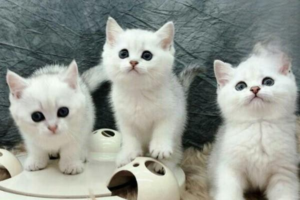
Sudden death in cats often stems from hidden disease, since cats are masters at concealing illness until it is advanced. Leading causes include trauma, poisoning, heart disease and clots, kidney or urinary blockage, stroke, severe infection, shock, and blood-sugar extremes.