Search Results
1501 results for “Loss of appetite”
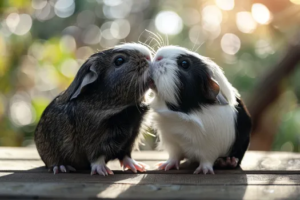
Symptoms of Viral Enteritis in Guinea Pigs
Viral enteritis in guinea pigs comes in acute, subacute, and chronic forms. The acute type kills with no warning — a normal-looking, plump animal drops dead; subacute brings lethargy, appetite loss, and finally blood in the stool over 10–15 days; chronic causes slow wasting and a crusted, hairless 'sore eye' ring. It is highly fatal, so early treatment is the only way to raise the odds.
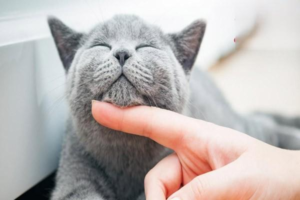
Managing Diabetes in Cats
Feline diabetes sets in when insulin fails and blood sugar stays high, bringing a ravenous appetite, heavy drinking, and weight loss. Day-to-day control rests on a diabetic prescription diet, daily insulin shots, weight management, and regular rechecks — with obesity avoidance and routine checkups the main preventive steps.

How to Tell If Your Dog Has Coccidia
Coccidia live in the small-intestine lining and cause blood-tinged, mucus-laden stool, lethargy, and dehydration — worst in puppies. Dogs pick it up from contaminated ground or faeces, so a fecal microscope exam confirms it; treatment is a sulfadimethoxine dewormer plus fluids, with regular cleaning and prevention the long-term fix.

Can Dogs Get Heatstroke? Symptoms and First Aid
Dogs overheat more easily than people in summer, and bad folk remedies can kill — so know the signs (heavy sticky drool, temperature over 40°C, paw sweat) and cool the dog correctly before rushing to the vet. Flat-faced, long-haired, obese, and senior dogs are most at risk.
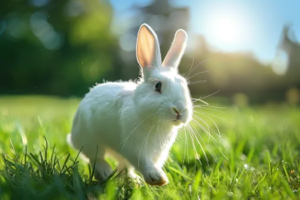
Why House Rabbits One Per Cage?
One rabbit per cage respects their strong territorial instinct and prevents fights, lets you watch each one's eating and droppings to catch illness early, stops unplanned litters of poor quality, ends competition for food and gear, and cuts disease cross-infection from crowding — so it supports healthier growth.
Is Dog Constipation Caused by Too Little Water?
Dogs are actually less prone to constipation than cats (whose cases are mostly hair), but when it happens the causes are broader — low fiber, little exercise, anal-gland or prostate issues, swallowed objects, tumors, drugs, or dehydration. Two days without a stool, or straining and crying, means constipation.
Appearance and Traits of the Giant Chinchilla Rabbit
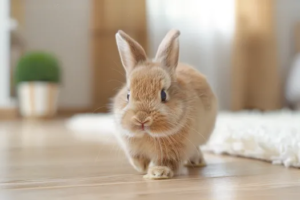
The Giant Chinchilla is a massive, muscled rabbit — 6 to 15 kg, with a dense glossy coat in solid, tan, or dark-gray — yet it's gentle, timid, and lazy, eating modestly and sleeping long after meals. Large breeds outlive small ones, making it a calm, long-lived companion suited to older owners. Care centers on RHD vaccination at 30–45 days, four daily pellet feedings, no greens before weaning, and an alfalfa-based pellet mix.

What to Do When Your Dog Has a Urinary Tract Infection
Urinary tract infections (UTIs) are common in dogs and cause painful or frequent urination, blood in the urine, and general discomfort. Mild cases respond well to antibiotics, but bladder or kidney stones can mimic the same signs and may need imaging or surgery. Good hygiene and diet adjustments are key to preventing recurrence.

Signs and Management of Seizures in Dogs
Canine epilepsy is a recurrent neurological disorder marked by uncontrolled collapsing and convulsions, progressing through pre-ictal, ictal, and post-ictal phases. During a seizure your options are limited—protect the dog from injury and record the episode for the vet. Stay calm and comfort your dog as it recovers.

Preventing and Treating Lice Infestation in Rabbits
Rabbit lice are an external parasitic disease driven by damp, dark housing that lets lice bite the skin and trigger intense itching and inflammation. Isolate affected rabbits, disinfect the hutch, and treat with neem leaves or a stemona (Baibu) wash or trichlorfon powder. Good sanitation and a dry, airy environment are the best defense.