Search Results
44 results for “Hypertrophic cardiomyopathy”

CoQ10 for Cats: How to Choose and Use It
Cats enter old age after 7, when heart disease affects a large share of the population, and their own CoQ10 production falls below half of youth levels. For breeds prone to hypertrophic cardiomyopathy, veterinary-guided CoQ10 is common supportive care. This guide explains why cats need CoQ10, the market pitfalls to avoid—false potency, conceptual add-ons, and fake credentials—and the three basics of choosing a product, plus feeding rules and cautions. CoQ10 supports care but never replaces prescribed heart medication.

Choosing a CoQ10 Supplement for Your Pet’s Heart
Pets past about seven years old decline fast, and heart disease is among the highest-risk threats: mitral valve disease and dilated cardiomyopathy in dogs, hypertrophic cardiomyopathy in cats. Early signs—night coughing, panting, purple tongue, exercise intolerance—often mean Stage B2 or C, so the B1–B2 window is the time to act. Alongside prescribed medication, many veterinarians suggest a pet CoQ10 supplement for energy and antioxidant protection. But with crowded shelves, how do you choose? This guide explains what a quality formula should deliver: transparent, well-absorbed dosage; a heart–lung–vessel support blend (rhodiola, krill, astaxanthin, taurine, vitamins, grape powder, folate); palatability and safety for long-term use; and which pets benefit most.

Why Does My Dog Pant Heavily at Night?
Brief panting after exercise, fever, excitement, or stress is normal, but frequent nighttime panting deserves attention. Common causes include respiratory disease (tracheitis, bronchitis, pneumonia, asthma), heart disease in obese or older dogs (hypertrophic cardiomyopathy, myocarditis, heart failure), obesity pressing on the airways, poor sleep posture, and anxiety or bad dreams. If panting is frequent or comes with lethargy, low appetite, exercise intolerance, or coughing, see a vet. Keep the dog slim, the home clean and calm, and manage any weight issue.
Common Genetic Diseases in Ragdoll Cats
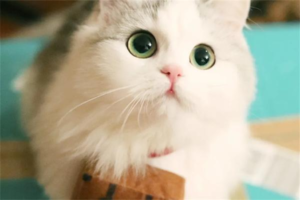
Ragdolls are prone to two inherited diseases: hypertrophic cardiomyopathy, where the heart wall thickens and can cause sudden cardiac death, and polycystic kidney disease, where fluid cysts enlarge the kidneys. HCM peaks at four to eight years and affects about 6 percent of the breed; PKD strikes at three to ten and is avoided if both parents test clear. Neither can be cured, only managed with care, kidney-support diets and vet-guided mineral supplements, so DNA testing and routine prevention matter.

How to Choose a Safe Cat CoQ10 Supplement
Feline heart disease is more common and more silent than many owners realize: hypertrophic cardiomyopathy affects roughly 11–16% of cats overall and a much higher share of high-risk breeds, often with no obvious signs until heart failure is already underway. CoQ10 supports heart-cell energy and is a popular preventive, but the market is uneven. This guide sets out three practical safety standards and the common pitfalls to avoid when choosing a product.

Can Cats and Dogs Take Propranolol?
Propranolol (Inderal) is a beta-blocker that lowers heart rate, cardiac output, and blood pressure. In pets it treats arrhythmias, supraventricular tachycardia, hypertension, and hypertrophic cardiomyopathy, and in cats hyperthyroidism. Vet-prescribed only; use caution with heart failure and drug interactions. Always consult your vet for dosing.
What Causes Sudden Death in Cats?
Sudden death in cats often stems from hidden disease, since cats are masters at concealing illness until it is advanced. Leading causes include trauma, poisoning, heart disease and clots, kidney or urinary blockage, stroke, severe infection, shock, and blood-sugar extremes.

Is a Fatter Dog Really Cuter?
A chubby dog may look adorable, but obesity drives real disease—heart strain, joint and spinal load, breathing trouble, diabetes and pancreatitis from high-fat diets, and urinary stones. Help your dog slim down the scientific way, not just 'eat less, move more.'

Yes, Cats Get Heart Disease Too
About 15% of house cats have heart disease, and HCM makes up ~80% of cases. It thickens the heart wall and can end in failure or sudden death. Early detection is everything — and cats hide their sickness well.

Can Cats Die Suddenly?
Cats hide pain well, so by the time you notice, illness is severe. Here are causes of sudden death.