Search Results
44 results for “Hypertrophic cardiomyopathy”

Is It Normal for a Cat to Breathe Through Its Mouth?
Cats evolved in the desert as quiet-breathing hunters, so seeing one pant like a dog is unusual. Brief panting after exercise is normal, but at rest it signals a problem. This article covers three common causes.

Why Is My Cat Breathing Through Its Mouth and Not Eating?
Mouth breathing in cats is abnormal and suggests nasal blockage or labored breathing. If appetite is also lost, a veterinary visit is best. This article explains the common causes.
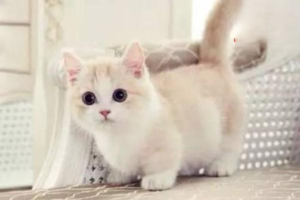
Is a Kitten That Pees from Fear Showing Stress?
A kitten that loses bladder control from fright is indeed experiencing a stress response — a sign of lost emotional control and incontinence. This guide explains the dangers of fright-induced stress and how to respond.
Just brought the cat to the countryside; fine in the morning, but on the bed it trembled, though legs could retract. After caging it stayed in the litter box; when pulled out its legs were stiff and immobile. We are over an hour from the city.
Stiff, trembling legs may indicate paralysis from a saddle thrombus, spinal or nerve issues, or poisoning. All require urgent veterinary care.
My Dog Has Been Panting Heavily at Night Lately
Night panting may signal heart or lung disease like chronic pneumonia, pulmonary edema, hypertrophic heart disease, or myocarditis, often with exercise intolerance and drowsiness; overweight dogs are more at risk. Get chest X-ray, cardiac ultrasound, and bloodwork.
For some reason, after going out to play it didn’t come back; we found it lying by a small tree, stood up slowly when called, walked slowly, and at home kept panting with a choking sound.
Constant panting can be from obesity and narrow airways, or pneumonia, pulmonary edema, asthma, or heart disease (e.g., cardiomyopathy, valve disease) reducing pumping. Get a vet check for the exact cause.
Is CoQ10 Good for Cats? How to Give It Safely
CoQ10 supports heart muscle and acts as an antioxidant; cats with diagnosed heart disease (HCM, heart failure) may take it under veterinary guidance, but only as a supplement. Healthy young cats usually don't need it — long-term overdose can cause palpitations, agitation, or liver/kidney strain. It's fat-soluble, so give with food; tell your vet if the cat takes blood thinners like warfarin.
What to Know Before Keeping a Ragdoll Cat
Ragdolls are famous 'glass-stomach' cats that need careful diet and regular brushing, plus watch for inherited heart and kidney disease. Pick a high-protein, low-allergen food, brush three to five times a week, and keep up with vet checks to catch problems early.
How to Choose a CoQ10 Supplement for Pets
CoQ10 only helps the heart if it is taken correctly and in enough amount. Pets with heart disease show lower CoQ10 levels, and veterinarians commonly add it to prescribed medication as long-term support; seniors over about 7, obese animals, and high-risk breeds (Toy Poodles, Pomeranians, Maine Coons, Ragdolls) benefit most. Because the heart is the body’s highest-energy organ, a deficient dose is essentially wasted—especially since older pets absorb less. When choosing, look for a clearly labeled, well-absorbed dosage from a yeast-derived source, combined antioxidants (fucoxanthin, olive, astaxanthin, vitamins C and E), and a pet-specific form. Avoid three traps: substituting human CoQ10 (some contain pet-toxic xylitol), using it to replace prescription drugs, and inconsistent use.

Does Abdominal Fluid in Cats Always Mean FIP?
Fluid in a cat's abdomen, or ascites, is a sign—not a diagnosis. It can stem from liver or heart disease, kidney failure, malnutrition, or peritonitis caused by infection, viruses, or injury, and only one of those causes is feline infectious peritonitis (FIP). Because the symptom alone cannot confirm FIP, diagnosis needs bloodwork, imaging such as X-ray or ultrasound, and viral testing. If your cat shows a swollen belly, lethargy, fever, or breathing trouble, see a veterinarian promptly to find the real cause.