Search Results
3405 results for “Heat”

Choosing the Right Cat Litter
Cat litters split into non-biodegradable (inorganic) and biodegradable (organic). Inorganic: fuller's earth (clay, non-clumping, but flushable), bentonite (clumps well but dusty and heavy, fragrance-added), silica/crystal (absorbent, low clumping; some have cobalt chloride or pH indicators—avoid long-term cobalt use), ceramic and zeolite (reusable, need a double box). Organic: plant litters (pine, paper) and grain litters (tofu, corn, wheat)—light, flushable, clumping, but watch mold/mycotoxin risk and don't believe 'edible' claims. Pick by your cat's needs and a flushable, low-dust preference.
Why Is Your Cat Meowing So Much?
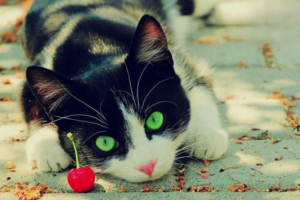
Frequent meowing is like a baby's cry—usually a need or a bid for security. Check the basics first: hunger (refill food), thirst (cats hate stale overnight water—change it daily, use cooled boiled or purified), a dirty or moved litter box, temperature (or tight clothing), and pest bites (time to deworm). Heat (intact cats, females ~6 months, males ~10) and illness or pain are next; do a one-minute body and stool check, and consult a vet if it persists. Some breeds (Devon Rex, Li Hua, Ocicat) are just chattier, and some cats learn that meowing earns treats—reward quiet instead.

Grooming and Coat Care for Your Cat
Shedding is normal—fur renews daily and surges with the seasons (long coat out, short coat in for summer; kept for winter). But shedding also rises from artificial temperature swings, poor diet (low protein/vitamins), skin damage (parasites, bad shampoo), hormonal imbalance after spay/stress, or old age. Improve coat quality with a clean, suitable environment, sunlight in short doses, and enough protein plus meat toppers. Groom by brushing out loose fur, massaging the skin, and a warm damp-towel wipe once a week to cut random shedding.
Choosing the Right Food and Water Bowls for Your Cat
Bowls come in ceramic, plastic, and stainless steel; a wooden stand with ceramic is the classic best choice. Ceramic resists heat and bacteria and is heavy enough not to slide; pick a wide rim (wider than the cat's whiskers) and a stand to raise it. Plastic is fine for travel but breeds bacteria and can leach into food, so avoid long-term use. Stainless is easy to clean but trace chromium/nickel can dissolve from salty food and may trigger allergies. Skip automatic feeders and fountains except for long trips—cats prefer fresh daily water and the bonding of hand-feeding.

Dealing with Cat Tear Stains
Tear overflow (epiphora) happens when tears overproduce or the nasolacrimal duct blocks, spilling onto the fur. The reddish-brown stain comes from porphyrin—an iron waste in tears that oxidizes in air and sunlight. Common causes: too much salt (human food, salty kibble), 'heat', ear infections that stimulate tearing, duct blockage, entropion (inward lashes), dacryoadenitis, and feline herpes (tears plus nasal discharge—watch unvaccinated cats). Genetics play a role too. Cut salty food and see a vet to find the true cause.

A Complete Guide to Pet Spay and Neuter Surgery
Spaying or neutering is one of the most responsible decisions a pet owner can make. For dogs and cats, the ideal window is around 6 to 8 months of age, ideally before the first heat cycle, which lowers the risk of reproductive diseases and unwanted behaviors. The procedure should only be performed on a healthy animal that is fully vaccinated, has adequate antibody levels, and is regularly dewormed. Once you choose a trusted veterinary clinic, you can book the surgery and share your pet's age, vaccination, and deworming history. The clinic will explain pre-operative fasting rules. This guide walks you through the timing, preparation, and the step-by-step process on the day of the operation so you know exactly what to expect.
Why Cats Hide and How to Curb It
Cats are masters of hide-and-seek, and hiding is often normal—driven by fear, illness, hunting play, or the simple need for quiet rest. A new home, strangers, loud noise, social setbacks, or sickness send a cat under the bed; a stalking cat is just following instinct; a hot or cold corner is just comfort. To reduce dusty hiding, socialize the cat to the world, address pain or stress promptly, limit uncontrolled cubbyholes, and give it a cozy, enclosed bed it actually likes.

How to Prevent Tape-Sticking Stress in Cats
If a cat steps on tape or gets sticky paper on a front paw, it shakes the limb frantically, panics, and bolts—because the paw pads are vital for shock absorption, sweat-cooling, scent marking, and balance. Losing that sense is disorienting, even nauseating. You can desensitize the cat with gradual training: while petting to keep it calm, wrap tape on the paws, then soothe until it stops shaking, repeating until it calmly removes the tape with its mouth. Household 'sticky traps' then cause far less chaos—and less furniture damage.
5 Steps to Read a Cat Food Ingredient List
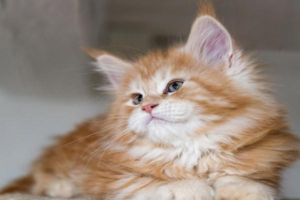
Ingredients are listed by weight, so the earliest items dominate. For a carnivore, meat should lead—fresh meat best, then dehydrated, then meat meal—with about 10% organ meat for taurine and fat. Avoid controversial fillers (grains, potato, tapioca, pea), plant oils, and thickeners; steer clear of harmful additives like BHA/BHT, ethoxyquin, propylene glycol, and artificial flavors. Look instead for bonuses: taurine, fish oil (omega-3/6), and vitamins E and B.

Hairballs: What Every Cat Owner Should Know
Cats groom constantly, and their barbed tongues pull loose fur into the stomach—making hairballs unavoidable. Normally the fur passes in stool or comes up as a vomit with a wet clump; trouble starts when it builds up. The best defenses are frequent brushing to cut intake, cat grass (wheat, barley, oat seedlings) whose fiber helps move fur through the gut, and hairball paste that lubricates with glycerin so the cat passes it. This guide explains why hairballs form and how to prevent them.