Search Results
3405 results for “Heat”

Special Nutritional Needs of Kittens
Kittens are not simply small adult cats. During rapid growth they need far more nutrition per pound of body weight—roughly twice the energy of an adult—to develop into strong, healthy adults. This guide walks through a kitten's two growth stages, explains why frequent small meals of a meat-based, easily digested formula work best, and covers the transition from kitten food to adult food around one year of age, including a gradual 5–7 day mixing period and portion control for indoor cats.
Cat Acne (Black Chin): Causes, Prevention, and Treatment
If your cat suddenly hates having its chin touched and you notice coal-like black specks there, it may have cat acne—a folliculitis similar to human acne. It shows up on the chin and tail, and severe cases bring redness, swelling, hair loss, and pain. This guide covers the main causes (too much dietary fat, hormones during heat, poor cleaning, and oily skin type) and practical treatment: saline or green-tea cleansing for mild cases, antibiotic ointment for worse ones, and pet antibacterial washes.
How to Supplement Vitamin B for Your Cat
Vitamin B deficiency in cats frequently appears as skin trouble—especially ringworm—along with a dull coat, weight loss, and loss of appetite, and in serious cases it can progress to eye and nerve problems. Because cats cannot store or synthesize enough B vitamins on their own, daily diet matters. This guide covers the warning signs of deficiency, why human B supplements are a poor fit for cats, and safe ways to meet their needs: B-rich cat food, small amounts of fruit, thorough drying after baths, regular disinfection of bedding and surroundings, and sunlight to help keep skin healthy.

How to Grow and Feed Cat Grass
Cat grass is easy to grow at home from wheat seeds in a container of soil. Sprinkle the seeds over damp soil, cover them with a thin layer of earth, water lightly, and wait — about ten days in warm conditions. Harvest with scissors from the tips; a well-cared tray regrows for around a month. Offer it sparingly at first and watch the litter box, since too much can cause diarrhea.

Everyday Flea Prevention and Care for Cat Households
Spring and summer are peak parasite season, and fleas are a common nuisance for cat owners. A cat that scratches constantly may have fleas, mites, allergies, or ringworm — confirm with a Wood's lamp, hair exam, or the classic 'damp tissue test' where flea dirt turns red. These tiny jumpers can produce 250,000 offspring a month, so prevention matters: vacuum cracks and gaps, comb with a flea comb twice weekly, hot-wash bedding, and keep the home dry (fleas like 18–27°C, ~75% humidity). If infected, use monthly topical prevention, treat inflamed skin, and watch for tapeworms passed via fleas.

Physiological Traits of Newborn Puppies
Newborn puppies are fragile and depend entirely on their mother. They can't stand at birth, regulate their own temperature, or control elimination, and their digestive and immune systems are still developing — they get early immunity only from the mother's colostrum, which drops sharply after 25 days. Good daily care means a warm, quiet nest, supplemental warming if the mother is absent, scheduled nursing with small frequent milk feeds, and daily checks of elimination. Watch for diarrhea and keep the umbilical area clean and disinfected with iodine to prevent infection.

Can Hamsters Eat Vegetable Leaves?
Vegetable leaves add water and help hamsters cool off in summer, but only in moderation and always washed and dried, since excess moisture causes diarrhea. A few servings a week aid digestion and prevent constipation, with grains as the staple and millet or mealworms for balance. Hardy foods also help wear teeth. Avoid spicy vegetables like chili, onion, garlic, and leek, and never human leftovers or wilted, refrigerated greens, which can harbor bacteria and toxins.
Can Hamsters Eat Meat?
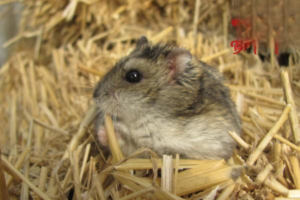
Hamsters can eat small amounts of cooked chicken, fish, or beef, and live foods like mealworms, but meat isn't a dietary staple, so keep it occasional. Their base diet should be grains, with synthetic pellets for dental wear. Never give seasoned, cured, or raw meat; salt, preservatives, and bacteria or parasites in raw meat cause poisoning, diarrhea, or organ strain. Pork is fine cooked and in moderation since its fat drops after cooking; pregnant or nursing hamsters may get extra nutrition.

Why Cats Love the Fire in Winter (and How to Keep Them Safe)
Cats seek warmth because their normal temperature runs higher than ours and, with fewer heat-sensing neurons, they feel cold more and heat less, so they bask and curl by heaters. But fur has few pain receptors, so a cat can singe its coat without noticing. Keep heaters behind a guard and never leave a cat alone with one; choose well-insulated, heated, or warm-material beds and turn off devices when unsupervised.

Can a Cat Die from a Cold?
A cat's cold is usually not fatal if it stays mild, but ignoring it—letting a secondary virus take hold or failing to care during an outbreak—can indeed be deadly. Viral and bacterial colds are the dangerous ones; feline herpesvirus (cat flu, or rhinotracheitis) is the common viral form, and stray cats left untreated can die, while house cats should see a vet for targeted treatment. Later signs include thick nasal discharge, weeping or cloudy eyes, conjunctivitis, constant sneezing and cough, lost appetite, and low spirits. Prevention centers on vaccination against herpesvirus (though vaccines aren't 100% effective) plus disinfecting the environment, since the virus survives about 24 hours. Keep a sick cat warm—the virus replicates better at low temperatures.