Search Results
3405 results for “Heat”

Leaving Your Cat Home Alone
For a short absence, leave extra food and water, an extra litter box, and a comfortable temperature, and lock away danger zones. For more than two days, arrange a sitter, pet-store visit, or boarding. Return gently, as a cat may grow wary after a stay away.

Why Dying Cats Stare at Water
A cat fixated on water near the end of life often reflects kidney failure, instinctive seeking of cool, safe water, or parasites raising temperature. It resembles a final rally and means the cat is at death's door; if you see it, a vet visit may still help.

What to Watch For When Caring for Rabbits in Summer
Hot, humid summer weather breeds bacteria and challenges rabbit health, so extra care is needed. To help your rabbit thrive, focus on cooling and sun protection, keep the hutch at a comfortable temperature with good airflow and less UV exposure to prevent heatstroke, adjust the diet with plenty of fresh water and food, and control pests so mosquitoes and flies don't plague your pet. This article walks through the key summer care measures every owner should follow.

Precautions for Walking Your Dog
Dogs need outdoor exercise, but it must be moderate. Three habits to avoid: walking right after a meal, making your dog jump obstacles, and using stairs as exercise. After exercise, clean the paws, and in summer offer water often to prevent heatstroke.

When Do Cats Knead (and What Does It Mean)?
Cats usually knead in a few clear situations: when hungry, when happy and relaxed, during heat, or when missing their mother. The behavior starts in kittenhood—pawing the mother's belly to stimulate milk—so a hungry cat may knead to ask for food, while a content cat kneads to show trust. During heat, kneading is self-soothing and shouldn't be interrupted. When your cat kneads you, it feels safe and fond of you, so don't push it away. This article explains the triggers and how to respond.

Should You Shave Your Cat’s Fur?
When summer heat arrives or shedding season peaks, many owners wonder whether to shave their cat. In short, healthy cats do not need shaving, and doing it can actually cause harm. Shaving should be reserved for genuine medical needs such as skin disease. This article explains why shaving won't cool your cat and the real risks it brings.

What to Know Before Cat Spay/Neuter Surgery
Neutering cuts disease risk (tumors, ovarian cysts), stops heat stress and roaming, and curbs spraying. In China, do it after sexual maturity—about 6 months and 6 lb. Before surgery: a full pre-anesthetic exam (health, anesthesia allergy) at a reputable clinic; complete vaccines so antibodies protect the healing wound; fast 8 hours and withhold water 4 hours (aspiration causes fatal pneumonia); pack a sturdy large cat carrier, pee pads, eye lube, and an E-collar. Females take ~40 min, males ~10–20; go home after recovery. After: keep clean, feed soft nutritious food, control portions (weight gain is common), and E-collar 7–10 days. Cost is usually under 1,000 yuan—watch for overcharging.

Why Do Cats Knead?
Cat kneading—pushing the front paws rhythmically against a soft surface—starts in kittenhood, when kittens press the mother's belly to stimulate milk flow. Many adult cats keep the habit and knead when relaxed, happy, or seeking comfort. It can also mark territory (scent glands in the paws) or, in intact cats, signal heat. When your cat kneads you, it usually means trust and affection—so don't push it away. This article explains the meanings and how to respond.
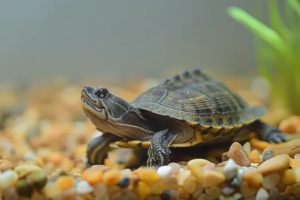
What to Do After Your Yellow-Margined Box Turtle Lays Eggs
After a yellow-margined box turtle lays eggs, move them to an incubator with the right conditions. Manage temperature and humidity carefully: aim for 25 to 30°C overall, with humidity near 65% in the first 25 days, 70% in the middle period (days 26 to 50), and 80% later (days 55 to 75). Also check that the eggs' air pores stay clear—blocked ventilation can stop development or kill the embryo. This article walks through the incubation care that helps your eggs hatch in about two to three months.

What to Prepare Before Bringing a Cat Home
Before you take a kitten home, be ready to care for it for life — an abandoned cat can be deeply distressed and may not survive. Choose a cat over two months old that already eats and uses the litter box on its own, get a basic vet check first, and carry it home in a covered carrier. Set up a quiet room, lock away toxins and secure the windows, hold off on baths for young kittens, follow a deworming schedule, and plan to spay or neuter. A little preparation prevents most beginner mistakes.