Search Results
3405 results for “Heat”
Allergies in Cats and Dogs
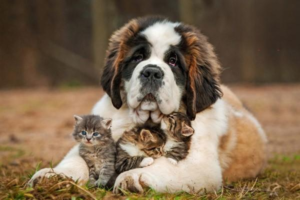
An allergy is the body's over-reaction when it meets the same trigger again, and in pets it often runs in families. Sneezing, chronic diarrhea, itchy skin, hair loss, and over-grooming are clues, and severe reactions can be fatal. Knowing the main allergen types helps you remove the cause and get the right care.
What New Cat Owners Should Know
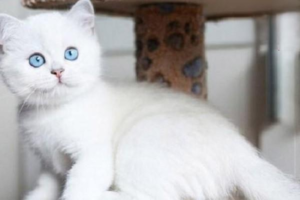
Bringing a cat home is joy and responsibility, so prepare mentally as well as materially. Night activity, shedding, scratches, and curiosity are all part of cat life. This guide covers the realistic expectations, the gear to buy, and the steps after adoption: quarantine windows, vaccines, warmth, and the right time to neuter.

The Secret Story Your Cat’s Urine Tells
A litter box is a daily health report if you know how to read it. Volume, color, and smell reveal early warnings of kidney disease, diabetes, infections, or bleeding. Tracking frequency, amount, color, and odor helps catch problems before they grow, and gives your vet useful data when something looks wrong.

Can Cats Really Have Food Allergies?
Yes, cats get food allergies, and they are easy to confuse with simple intolerance. Beef, fish, dairy, and wheat gluten top the list of triggers, with itching, vomiting, and ear issues as clues. The gold-standard diagnosis is an elimination diet, and the only real cure is avoiding the culprit. This guide covers telling allergy from intolerance, symptoms, diagnosis, and management.

What to Do If Your Dog Gets Accidentally Pregnant
A dog's accidental pregnancy is best allowed to go to term, since many vets decline abortion on humane grounds, every fetus being a life. Termination, whether by medication or surgery, carries real risks and harms the dog. If you do not want puppies and will not spay, keep the dog contained, especially during heat, to avoid the risk of a termination procedure. This article covers how termination is done and why prevention is the safer path.
Why Does My Cat Have Uneven Eye Size?
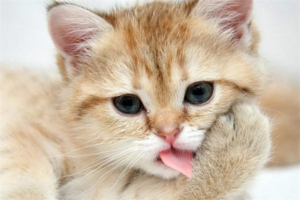
A cat with one eye larger than the other is common and can be genetic, but if it appears later it usually points to irritation, inflammation, feline herpes, injury, or heat. The right response depends on the cause, so judge by the situation. If a foreign object is the culprit, gently clearing it often restores the eye quickly. Eyelid inversion may need surgery, so see a veterinarian. Other causes include eye disease such as conjunctivitis or keratitis, feline rhinotracheitis with discharge and sneezing, trauma, and diet-related heat that responds to lighter food and more water.
Why Does a Siamese Cat’s Fur Turn Black?
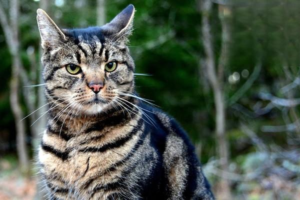
A Siamese cat's coat darkens for a reason that has nothing to do with sunlight: it is driven by temperature. These cats carry a variant of the TYR gene that limits production of the enzyme tyrosinase, which only works properly in cooler areas of the body. As the weather turns cold, the points, face, and ears grow darker, sometimes leaving a near-black 'mask.' The change is largely genetic and cannot be reversed, but keeping the cat warm and limiting iron-rich foods such as liver can slow the process. This article explains the science and what owners can realistically do.

Four Winter Diet Tips to Keep Cats Healthy
Cold weather raises a cat's energy needs and weakens its natural defenses, making winter a season of extra health risks. Supporting your cat's immunity through diet is one of the simplest ways to help it sail through the cold months. From adding more meat to the kibble to topping up vitamins, calcium, and warm water, here are four practical feeding adjustments every owner should know for a healthy, comfortable winter.

How to Care for an Alligator Snapping Turtle
Alligator snapping turtles are aggressive, long-lived freshwater turtles that make challenging but rewarding pets. They are mostly aquatic but must come ashore often to breathe, so provide a rock or basking platform. Keep water deep, about two to three times the shell height, with a land area for shelter and sunning. Change only one fifth to one third of the water weekly to avoid shocking them. Feed a varied carnivorous-leaning diet of fish, shrimp, earthworms, lean meat, and insects plus some greens, and keep the temperature steady at 26 to 32 degrees Celsius. Avoid overfeeding and too much fat or salt, and clean the habitat regularly to prevent disease.

What to Do When Your Cat or Dog Has Chronic Constipation, Diarrhea, or Indigestion
About 60 to 80 percent of a cat or dog's immune system resides in the digestive tract, and a healthy gut is the body's first line of defense against pathogens and toxins. When the intestinal flora falls out of balance, pets frequently develop constipation, diarrhea, and poor digestion and become far more prone to illness. Diet, stress, medications, and a naturally smaller microbiome all influence gut health. Probiotics can help restore balance, but most beneficial bacteria are destroyed by stomach acid or by heat during food processing. This guide explains why gut balance matters, what disrupts it, and how to choose a heat- and acid-resistant, high-activity probiotic that actually survives to reach the intestines where it is needed.