Search Results
3409 results for “Heat”

How to Raise Newly Hatched Turtles: What Do Hatchlings Eat?
Turtles from egg to their first winter are called hatchlings — small, sensitive, and easy to lose, so they need careful rearing. Here is when to pond them, what to feed, and how to manage water.
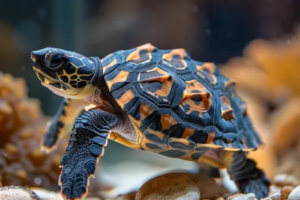
How to Raise Juvenile Turtles: Diet and Daily Care Tips
After their first winter, turtles enter the juvenile stage. At 1–2 years old they are small and fragile, so they need careful feeding and husbandry. Here are density, diet, temperature, and water tips.

What Chew Toys Do Hamsters Commonly Use?
Hamsters must chew to keep their teeth from overgrowing, which would block eating and cause disease. Common options are chew sticks, mineral stones, salt bricks, lab blocks, nuts, and apple branches — pick based on your hamster's taste and diet, and check tooth length regularly.

How to Prevent and Treat Dog Mammary Tumors
Dog mammary tumors are usually removed by surgery, the best fix, but anesthesia carries risk so use a proper clinic. They strike unspayed females around 8-10, especially with false pregnancy or an all-meat diet. Benign are small, regular, clear-edged; malignant grow fast and blur. The key prevention is spaying before the first heat, which also lowers reproductive disease and can extend life.

Why Do Dogs Get Mammary Tumors?
Mammary tumors are common in unspayed older females and driven by hormones; spaying, especially before the first heat, sharply lowers risk. Early signs are a hard lump in the mammary area with no appetite change; benign lumps are smooth and free, malignant ones uneven, stuck, and fast. Treat with surgery, plus chemo if malignant; spay early if not breeding.
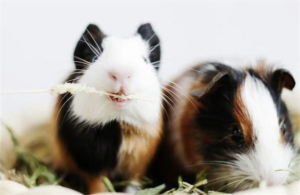
At What Age Can a Guinea Pig Give Birth, and How Many Per Litter
Guinea pigs can breed from about 3 months (around 500 g); a first birth after 7 months raises dystocia risk from pelvic fusion, so breed the first litter before 7 months. Litters are 1-7, born walking and eating within hours, gestation about 68 days, up to 5-6 litters a year. Keep the nest warm (at least 22 C), separate the male after birth, and stay quiet.

What Is Chinchilla Free-Roam Time, and What to Watch For
Free-roam time lets a chinchilla exercise outside the cage; do it 3-4 times a week for 20-30 minutes, below 25 C, in a sealed area over 1 m high with no wires or chewables, and supervised. Train it to return for treats; skip it for new, late-pregnant, aggressive, or sick chinchillas.
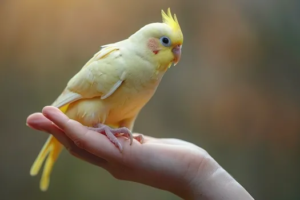
How to Care for a Myna Bird (and Daily Cautions)
A myna is a well-known, beloved bird; once tamed it becomes very clingy, much like a dog. Raise it in a roomy cage with perches and cups, feed chicks myna powder and adults egg-rice with meat and greens, keep the cage clean, and give water baths in summer. Watch temperature swings, prevent colds, and start speech training at 3-4 months.

How to Help Your Dog Through Winter
Winter care centers on warmth: a cozy bed out of drafts, heating pads under a towel below 21 C, dog clothes if thin-coated, and high-calorie food. Keep air moving, shift walks to warmer hours, bathe only monthly indoors, and guard against heater burns.

Silver Arowana Care Guide
Silver arowana are large fish needing a tank at least 150 x 50 x 70 cm with a lid, steady 24-29 C water at pH 6.5-7.5, and a mature filter. Feed small frequent meals of varied foods (no fatty organs, no spoiled food), fast on water-change days, and change 20-30% of the water slowly.