Search Results
3409 results for “Heat”

Why Are My Puppy’s Ears Hot? Is It a Fever?
A dog's ears naturally run warmer than its body, and a brief warm spell after waking is normal. Persistent heat can mean fever (over 39°C / 102°F), an ear infection, or simple stress. Measure rectally with a thermometer and see a vet if the temperature is high or the ear looks inflamed.

What to Do When a Blood Parrot Fish’s Fins Rot
Fin rot in blood parrot fish is usually caused by poor water quality or injuries from fighting. Here is how to treat it with water changes, medication, and isolation.

Key Things to Know When Keeping Silver Arowana
Silver arowana are easy and affordable starter fish, but good form needs care: a large tank, stable warm soft water, proper feeding, and 8-10 hours of light.

What to Do When a Silver Arowana Won’t Eat
If a silver arowana won't eat, first check for fright, low temperature, dirty water, or illness, then apply the matching fix. Most cases recover with calm, warm, clean water.

Prevention and Treatment of Colds in Turtles
A turtle cold can progress to pneumonia, which is far more dangerous, so treat it promptly and watch for pneumonia signs. Isolate the sick turtle, keep the enclosure at about 30°C, and use antibiotic baths (e.g., cephalexin) or amoxicillin by weight; prevention focuses on good water quality and strong immunity.
Precautions During Budgie Breeding
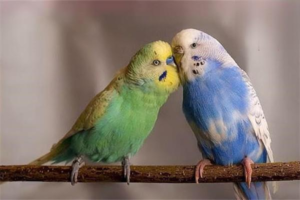
New breeders: avoid summer breeding (weak hens, poor chicks); raise humidity by misting in dry weather; feed a separate pair extra calcium; expect 3-5 eggs laid every other day with ~21-day incubation; disturb them minimally and hand-feed chicks only if abandoned.

Why Is Your Dog’s Nose Turning from Black to Pink?
A dog's nose usually turns pink from aging or temperature, but it can also signal disease. Causes range from genetics and vitiligo to dermatitis or abrasion. Improve it with vitamins, safe sun exposure, and seaweed powder—and see a vet if white patches or sores appear.

Cat Frequent Urination with Small Volume: Causes and Medication
Frequent, small-volume urination in cats is usually a urinary-tract problem — urethritis, cystitis or urolithiasis. Start with a diuretic and a pet-safe anti-inflammatory to ease pain and infection, encourage water intake, and if there is no improvement see a vet to rule out stones blocking the urethra.

Why Does My Rabbit Have Cold Ears and No Appetite?
Cold ears in a rabbit usually mean its body temperature has dropped and it feels chilly — warm it up with a blanket and keep its environment at 18–24°C. If the ears are cold together with loss of appetite, an illness such as rabbit hemorrhagic disease, a cold or a serious condition may be lowering its temperature; watch for lethargy, sneezing, discharge or diarrhea and see a vet promptly.

How Long Until a Dog with Pyometra Dies?
Pyometra is the most common reproductive disease in dogs, but it is treatable. Open cases show foul discharge; closed cases cause rapid decline. The best fix is spay (ovariohysterectomy); prevent it with spaying and good hygiene. Left to sepsis, a dog can die within a month.