Search Results
633 results for “Health, Breeding”

Why Does Cat Breeding Keep Failing?
Cat breeding fails for timing (not in heat), age (too old or too young), poor nutrition (low vitamin E and B), disease (metritis, ovarian cysts), or a stressful environment. Match the female's cycle, feed a balanced high-quality diet, vet-check before mating, and keep the space calm.
How Long Is a Hamster’s Breeding Cycle?
A hamster's breeding cycle is about a month; some species gestate 15–22 days and litter 7–12 pups. They mature at ~2 months and can conceive again right after birth, but space litters at least 15 days and limit to 4 litters a year to protect the mother's health.

What to Know Before Breeding Hamsters
Successful hamster breeding needs a suitable cage, matched healthy adults of the same species, gentle introduction, and separation right after mating. Support the mother with extra nutrition during pregnancy, and manage the nest carefully once pups arrive.
When is a cat’s breeding season, or heat period?
Cats come into heat in spring and autumn. Females start around 6 months with 3 to 7 day cycles; males around 6 to 8 months with 7 to 10 day cycles, and can be triggered by a nearby female. Heat brings clinginess, appetite loss, and spraying, so spay if you do not plan to breed.

Preparing for Hamster Breeding
Hamsters breed fast, reaching sexual maturity at 2-3 months with pregnancies of 15-22 days and 5-8 pups typical. To breed successfully at home, start with healthy animals and a safe, warm, humid, well-ventilated nest box placed in a quiet, dim spot, and build them up with good nutrition and a supplement a week before pairing. Once paired, separate the male immediately since the female will not mate again but the male stays ready. Keep the mother calm and well-fed, and after birth avoid disturbing the nest, keep pups warm, restore the mother's strength, and split the young into their own cages at one month.
The Effects of Hamster Inbreeding
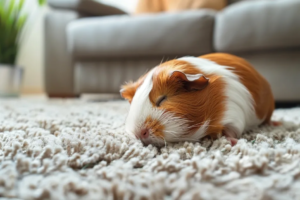
Inbreeding hamsters is risky: it raises the chance of inherited disease and genetic defects, lowers genetic diversity so offspring get sick more often, and tends to produce weaker, less intelligent pups with higher death rates and reduced fertility. The main reason breeders do it is to lock in a pure bloodline, but the uncertainty is high. For home keepers, the safe choice is to avoid inbreeding entirely, separate males and females into different cages, and if you do plan a litter, pick two healthy, unrelated hamsters and breed them between 5 and 10 months of age.
What Season Is Best for Breeding Hamsters?
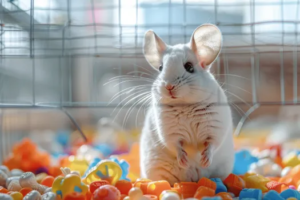
Indoor pet hamsters can technically breed year-round with the right care, but spring and autumn are best for success and healthy pups. Both seasons have mild temperatures and plentiful, nutritious food, and females come into heat more readily. To breed, start with healthy adults of the right age, set up a roomy, warm, well-supplied cage, and pair them once the female shows clear courtship signs like squeaking or a raised tail. Avoid inbreeding, respect age limits (females around 3 months, males around 4), keep the cage clean and warm through the 6–10 day cycle, and after birth watch nursing, clean regularly, and split the pups into separate cages as they grow.

How to Adopt a Healthy Kitten
Adopting should be joyful, but a profit-driven breeding market hides risks. A healthy kitten comes from healthy, well-matched parents raised in clean, nourishing conditions and weaned at the right time. The golden rule: see the parents before adopting—either paid or free—so you can judge their health, diet, and whether the pairing risks congenital disease (fold-to-fold or dwarf-to-ragdoll matches are red flags). Also avoid taking a kitten home before 12 weeks, when key socialization happens.
What happens with hamster inbreeding?
Inbreeding raises the chance of hidden genetic defects — poor growth, deformities, weak immunity — so avoid it in breeding.

Scottish Fold Cats and Their Genetic Health Problems
Scottish Fold cats were bred for their folded ears, but the same gene that folds the ear also causes painful bone and cartilage disease. Every Fold carries the defect, so care focuses on comfort, a gentle diet, and daily grooming they cannot do themselves.