Search Results
633 results for “Health, Breeding”

How to Prevent False Pregnancy in Female Rabbits
A false pregnancy happens when a doe mates but is not fertilized; she shows all the signs of pregnancy yet has no litter, lowering yearly offspring and cutting farm profit. It is harmless to her health and usually resolves in days. To reduce it, keep breeding records and a family tree, use repeat and double mating to raise conception rates, manage stock well, and confirm pregnancy by palpation around ten days after mating so non-pregnant does can be re-bred promptly.
Best time to keep the aquarium light on
Light in the daytime (around 8-9am); keep it under 10 hours, no flicking, and off at night so fish can rest.

Are Double-Bloodline Ragdoll Cats Special?
A double-bloodline Ragdoll has two purebred Ragdoll parents, which usually means better conformation but costs more, and is not a guarantee of good looks. Some double-bloodline cats inherit poor traits from their parents and look worse than others. Single-bloodline cats, with only one purebred parent, are even more unpredictable. Because bloodline does not determine appearance, choose a Ragdoll by its looks rather than its papers. Good examples come in three color patterns: bicolor, point, and mitted.
How many kittens does a cat usually have in a litter?
A cat usually has 2-8 kittens per litter (up to 12, most often 3-6). Fertile cats can have two litters a year, but frequent breeding strains the mother, so don't overbreed. Large litters can leave kittens weak from undernutrition and the mother short on milk - hand-feed weak ones with pet goat-milk formula, and boost the mother's milk with goat milk, crucian carp soup, or bone broth.

How to Help Your Overweight Hamster Lose Weight
Hamster obesity raises the risk of heart disease, diabetes, arthritis, and fatty liver, cuts mobility, shortens life, and can cause breeding trouble and anxiety. To slim one down, cut portions of fatty foods, add a wheel and climbing toys plus out-of-cage time, limit sugary treats, weigh regularly, and avoid overstimulation that triggers overeating. Severe cases need a vet's tailored plan. Patience is essential; weight loss takes time.
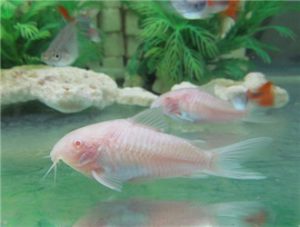
White Corydoras
The White Corydoras is native to South American waters and is now mostly captive-bred. An albino form of the Bronze Cory, it has a milky white body with clear red eyes, is gentle, and is kept in schools. Egg-laying and good with small fish, it suits planted tanks as a bottom fish.

Aegean Killifish
The Aegean Killifish (Aphyosemion celiae) is native to West Africa and shaped like the harp killifish, 6-7 cm long. It likes weakly acidic water and higher temperature (optimal 24-28 C), eats live foods like bloodworms and artemia, and is hardy and easy to keep.

Platy (Moonfish)
The Platy (Moonfish, Xiphophorus maculatus) is a common tropical fish. Like the guppy it is small and comes in many colors, beloved by aquarists. With strong adaptation and breeding ability, it is easy to keep.

Panda Dwarf Cichlid
The Panda Dwarf Cichlid's females and males are easy to tell apart; females have few markings and lower display value. It is a very nervous fish, easily frightened, and a frightened female may eat her own eggs after spawning.

Clown Dwarf Cichlid
The Clown Dwarf Cichlid is often imported mixed with the Cockatoo and Agassiz's dwarf cichlids. It is distinctive for a black vertical stripe on the body and red-blue speckles on the gill cover. Because imports are scarce, it is not widely kept.