Search Results
782 results for “Gastroenteritis”

Why Your Dog Can’t Stand Up and What to Do
Weak, unable-to-stand legs can mean poor nutrition (low calcium or vitamins), a bone injury, or an illness such as mild distemper. Have a vet take an X-ray to check for calcium deficiency, supplement as advised, and treat any disease promptly.

Dog Coronavirus: Symptoms and Prevention
Canine coronavirus starts with lethargy, appetite loss, vomiting, and watery diarrhea, and hits puppies hardest — dehydration, sunken eyes, and, without treatment, death within 1–2 days. Prevention is hygiene: daily kennel cleaning, disinfected bowls and water, colostrum for newborns, and immediate isolation plus vet testing at the first sign.

Complete Summer Pet Care Guide
Summer raises five common risks for pets, heart trouble, colds, skin disease, heatstroke, and stomach upset, so manage exercise, cooling, and food hygiene carefully. Keep water available, avoid midday walks, and never leave a pet in a parked car.
Can Cats Get a Fever?
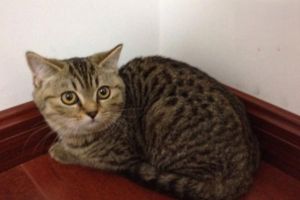
Yes, cats do get fevers, though their naturally higher body temperature makes it hard to spot. Watch for a dry, hot nose, warm ears and tail tip, lethargy, and heavy drinking, and confirm with a rectal thermometer reading.

Why Your Cat Throws Up Undigested Kibble
When a healthy cat on a hairball regimen vomits only its food, the usual culprits are bad or abruptly changed kibble, overeating, eating too fast, or an underlying gut problem. Switch foods gradually over a week, portion the meals, slow the eating with a puzzle bowl, and see a vet if lethargy or diarrhea joins the vomiting.

Why Is Your Cat Having Diarrhea and How to Treat It
Before reaching for medicine, rule out simple causes — a dirty water bowl, spoiled food, a chilly room (keep it near 26°C), a too-fast food switch, a grain allergy, or stress. If diarrhea persists despite a cat probiotic, suspect parasites and deworm; if it worsens within a day or two with vomiting, it could be something serious like panleukopenia and needs a vet immediately.

Symptoms of Leptospirosis in Pets
Leptospirosis is a zoonotic infection of dogs and cats caused by pathogenic Leptospira, often silent but marked by fever, jaundice, anemia, edema, hemoglobinuria, bleeding, and in severe cases kidney and liver failure. It spreads through urine, contaminated water, and bites, peaks in warm wet seasons, and is diagnosed by signs plus kidney and liver damage. Prevention is vaccination and rodent control; treatment is antibiotics plus supportive care, avoiding streptomycin when kidneys are involved.

Treating Vomiting in Pets by Stage
Pet vomiting splits into stages: early on it is simple indigestion from spoiled food, fast eating, or a diet change, with normal energy; left alone it becomes gastritis (yellow or foamy vomit, then dullness and weight loss); severe cases are gastroenteritis with blood, weakness, and diarrhea. Treatment moves from gentle stomachics and probiotics to metoclopramide and ethamsylate for vomiting and bleeding, plus rehydration.

What to Do If a Dog Is Vomiting Blood
Vomiting blood can point to the throat, stomach, or intestine depending on whether the material is undigested, partly digested, or mixed with clots or coffee-ground matter, and on whether the vomiting comes before or after diarrhea. Distinct patterns flag particular diseases — parvo enteritis (diarrhea then vomit, tomato-juice stool), distemper (vomit then diarrhea with blood), corona (vomit first, eases with diarrhea), and infectious hepatitis (vomit with ravenous drinking) — so the vet matches the pattern to the cause.

Why Does My Dog Have Soft Stool?
Soft stool in dogs almost always traces back to the gut — a chill or, more often, a diet slip. The usual suspects are too-frequent food changes, intestinal parasites, a greasy diet, active gastroenteritis, and simple overeating. Fixes range from a gradual 7-day food switch and deworming to probiotics, a lighter diet, and a 24-hour fast for binges — and human food should stay off the menu.