Search Results
782 results for “Gastroenteritis”

What Are the Symptoms of Gastroenteritis in Dogs
A dog's gut is sensitive, and tainted or raw food can trigger gastroenteritis — vomiting and diarrhea are the hallmarks, while the hemorrhagic form with blood in the stool is an emergency. A low-fat, easily digested diet and gradual food changes are the best prevention.

Canine Gastroenteritis
Gastroenteritis is inflammation of the stomach and intestinal lining, showing up as digestive upset, abdominal pain, diarrhea, fever, or toxemia. It can be primary or secondary, and the main job at home is to rest the gut, then reintroduce food and water carefully.
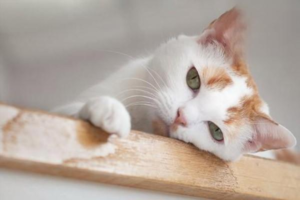
How to Treat Cat Gastroenteritis
Gastroenteritis is common in cats—their digestion handles grains and sharp bones poorly, and spoiled food can trigger acute gastritis. Signs are vomiting, diarrhea, lethargy, appetite loss and dehydration. Withhold food briefly for mild cases, but persistent symptoms, especially in kittens, need a vet.
Is Soft-but-Formed Stool a Sign of Overfeeding?
Soft but still-formed stool means the gut is irritated but not yet failing — often from a weird snack, overfeeding, a chill, parasites, or medicine — and can precede real diarrhea or even distemper. Start with probiotics and a bland diet, and see the vet if it doesn't settle.
Why Does a Cat Have Recurring Diarrhea?
A healthy cat does not have diarrhea, so recurring bouts deserve attention. The usual triggers are overeating and poor digestion, internal parasites, or gastroenteritis — and when diarrhea comes with vomiting, fever, or refusal to eat, it may be enteritis or even panleukopenia and needs a vet at once.
Why Is My Cat Vomiting Clear Liquid or Foam?
Clear or foamy vomit — with no hair or food — usually means a hairball, mild indigestion (overeating, sudden diet change, gut or kidney disease, diabetes), a toxin or blockage (both emergencies), or, in cats over 12, hyperthyroidism. Daily brushing and a hairball remedy help with the first; anything toxic or a suspected blockage needs immediate veterinary care.
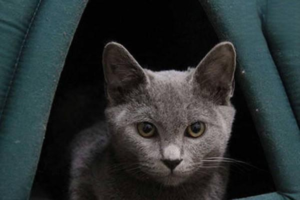
Diseases Cats Are Prone to in Winter
Winter weakens a cat's defenses, raising the risk of three problems: panleukopenia (distemper) — highly contagious, often fatal in kittens, prevented by vaccination; feline herpesvirus (cat flu) — carried silently, deadly when it flares in the cold; and chill-driven vomiting/diarrhea that can become gastroenteritis. Keep up vaccines and nutrition, stay warm, and limit winter baths to once every one to two months.
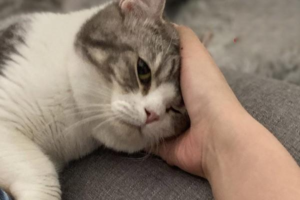
What Is Inflammatory Bowel Disease in Cats?
Feline IBD is a chronic gut disease where inflammatory cells thicken the intestinal wall and block nutrient uptake, showing as persistent vomiting and diarrhea that won't resolve. Food allergy is the top trigger, with bacteria, parasites, and stress as contributors — so pinpoint and drop the offending food.

Pet Vomiting (Part 3): Vomiting from Internal Parasites and Toxicity in Dogs and Cats
Internal parasites living in a dog or cat's gut irritate the intestinal lining and trigger vomiting, sometimes expelling visible worms. Food poisoning causes far more violent vomiting along with seizures and drooling, and demands immediate induced vomiting and gastric lavage. Routine deworming and keeping toxic foods — onions, grapes, chocolate, macadamia nuts — out of reach are the best defenses.

Why Does My Dog’s Poop Have Mucus?
A little clear mucus on the end of a stool is normal, it is the gut's lubricant, but discolored mucus, black, tarry, red, or gray, signals bleeding or excess fat. When mucus is heavy or paired with vomiting and diarrhea, it is time for the vet.