Search Results
782 results for “Gastroenteritis”

Why Your Cat Won’t Eat, Looks Lethargic, and Is Losing Weight
A cat that stops eating grows weak and thins fast, and prolonged refusal can be fatal, so find the cause. Look to gut disease, viral infection like panleukopenia or rhinotracheitis, parasites or hairballs, or unspent heat, and see a vet when unsure.

Common Illnesses and Symptoms in Kittens
Kittens have weak immunity, so watch daily for dullness or odd behavior. Beware parvovirus, gastroenteritis, rhinotracheitis, ringworm, and ear mites, all serious and contagious, needing prompt isolation and a vet.

Treating E. coli Infection in Dogs and Cats
Colibacillosis is an acute intestinal infection of young dogs and cats caused by pathogenic E. coli, marked by fever, vomiting, and foul-smelling diarrhea that can turn fatal. It mimics many other diseases (distemper, parvovirus, salmonellosis), so a lab test is needed for diagnosis; treatment is antibiotics chosen by sensitivity testing plus strict hygiene and early colostrum.

Diagnosing and Treating Canine Parvovirus
Canine parvovirus is a highly contagious acute disease and one of the deadliest threats to dogs, hitting weaned puppies hardest. It takes two forms: the gastroenteritis type (vomiting then tomato-juice-red, foul diarrhea, fever, low white cells) and the myocarditis type (sudden death in young pups from heart failure). It spreads by mouth from infected stool, urine, and vomit, and vaccination is the real defense — isolate any sick dog and disinfect with 2% caustic soda or 10–20% bleach.

How to Use Dog Dental Chews Safely
Dental chews come in three kinds — rawhide or bone rolls (treats that also help the teeth), dedicated chew bones (for cleaning and teething comfort), and rope or plastic toys. Pick the right size and hardness, supervise gnawing so it does not go on too long, avoid dyed chews for white-coated breeds, and replace them regularly so bacteria do not reach the gut and cause diarrhea.
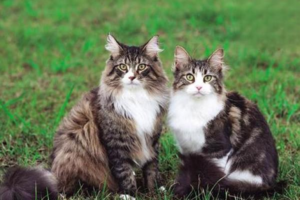
Causes and Treatment of Clear Mucus in Cat Stool
Clear mucus in a cat's stool can mean gut trouble, intestinal parasites, or panleukopenia, and ignoring it can lead to worse illness. Parasites from raw food and missed deworming need a dewormer or fecal test; diet-driven gastroenteritis calls for a short fast, then cat-specific anti-inflammatories and probiotics; and yellow-green vomit with repeated fever points to panleukopenia, which needs a vet at once.

Why Is My Dog Vomiting Yellow Foam and Mucus?
Yellow foam and mucus usually mean gastroenteritis, but the cause can also be parvovirus, indigestion from overeating, irregular feeding, internal parasites, or a swallowed foreign object. Because the causes range from mild to life-threatening, a dog that vomits repeatedly needs a veterinary diagnosis.
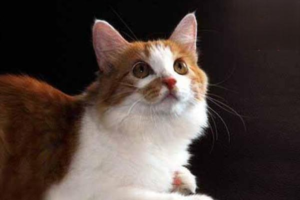
Why Cats Foam at the Mouth and How to Treat It
Foaming at the mouth in cats often comes from excess stomach acid, unsuitable or excessive food, poisoning (lilies, acetaminophen), or stress. Treatment depends on the cause — fasting and antibiotics for gastritis, smaller fiber-rich meals for food issues, immediate vet care for poisoning, and a gentle transition for stress.

Why Does My Dog Have Lots of Eye Discharge and Low Energy?
Eye discharge plus lethargy in a dog usually points past ordinary eye irritation to either a gastroenteritis-type cold or canine distemper. The cold brings fever, runny nose, and possible vomiting or diarrhea; distemper starts like a cold then shows biphasic fever and thick eye discharge. Get a vet diagnosis before treating, and don't self-prescribe antibiotics.

What Is Canine Distemper and What Are Its Symptoms?
Canine distemper is a highly contagious viral disease with an 80%+ death rate, especially in puppies. It starts like a cold with a double-peaked fever, then brings respiratory, gut, and finally neurological signs — vaccination is the only real defense.