Search Results
6122 results for “FIC”
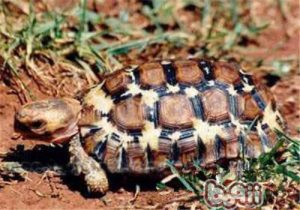
Lobatse Hingeback Tortoise
The Lobatse hingeback tortoise (Kinixys lobatsiana) is a relatively dry-adapted hingeback found in Botswana and South Africa. Though its range has two distinct rainy seasons, its habitat remains very hot overall, and it is seldom kept due to its rarity and similarity to other hingebacks.

Karoo Cape Tortoise
The Karoo cape tortoise (Homopus femoralis) is the largest member of the padloper group, native to the high plateaus of South Africa's Karoo region. Unusually cold-tolerant for a tortoise, it is the only padloper known to undergo winter dormancy.
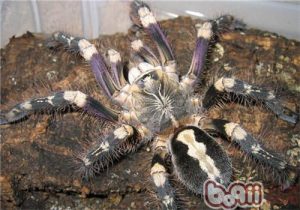
Ivory Ornamental Tarantula
The ivory ornamental tarantula (Poecilotheria subfusca) is a rare and prized tarantula distinguished by radiant white stripes on its back and, in adults, a unique black-and-white pattern on the abdomen. Listed as threatened by the IUCN, it is fast, defensive, and best suited to experienced keepers.
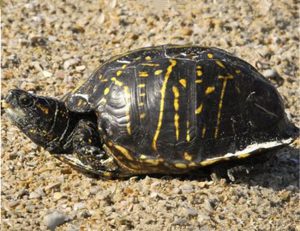
Common Box Turtle
The Carolina box turtle (Terrapene carolina) comprises six subspecies distinguished by their shell patterns and named for its box-like shell. Ranging from eastern North America through Canada and Mexico, this largely terrestrial, omnivorous turtle is exceptionally long-lived, though habitat loss has driven population declines.

Geometric tortoise
The Geometric Tortoise (Psammobates geometricus) is a rare, strikingly patterned South African tortoise protected as endangered. Extremely sensitive to humidity and a challenge to keep alive in captivity, it is best appreciated in the wild or by experts.

Brachypelma sabulosum
The Guatemalan Red Rump Tarantula (Brachypelma sabulosum) is a docile, beginner-friendly spider from Guatemala, similar to the Mexican Red Rump but larger. Easy to keep with modest humidity needs, it is an excellent first tarantula.
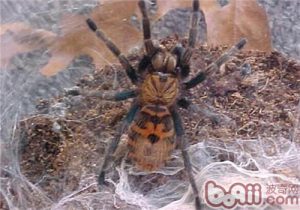
Chromatopelma cyaneopubescens
The Venezuelan Sun Tiger Tarantula (Chromatopelma cyaneopubescens) is a stunning, colorful spider from Venezuela's dry shrublands, with a blue-green carapace and orange-abdomened adults. Docile yet shy, it is a prolific webber that appreciates deep substrate for burrowing.

Leiocephalus personatus
The Masked Curlytail Lizard (Leiocephalus personatus) is a small, active, territorial lizard from the West Indies, famous for curling its tail like a spring when excited. A hardy basking lover that does well in groups of one male with several females, it eats almost any non-toxic insect.

Three-striped roofed turtle
The giant roofed turtles (including the Burmese, Red-crowned, and Three-striped roofed turtles) are large, rare Asian river turtles that need spacious outdoor ponds with basking sites. Timid yet personable, they require warm water and careful temperature gradients to stay healthy.

Chiapas giant musk turtle
The Chiapas Giant Musk Turtle (Staurotypus triporcatus) is the largest and most vividly patterned of the musk turtles, native to Central America. A highly aquatic, somewhat aggressive omnivore, it needs a large, sturdy, well-filtered aquatic setup.