Search Results
6133 results for “FIC”

Rabbit Growth, Development and Molting Traits
Rabbits grow fast and convert feed efficiently early in life, especially as kits. A kit is born about 50 g, doubles by one week and reaches 40% of adult weight by eight weeks, with feed conversion best (2:1) at three weeks. They molt twice by age (around 30–100 and 130–190 days) and seasonally each spring and autumn, when extra nutrition helps.

What Beginners Should Know About Keeping Goldfish
More people keep pet fish, but beginners have many questions at first. Here are key points for keeping goldfish and other pet fish, to help you raise them better.

How Often Do Blood Parrot Cichlids Lay Eggs, and What Are the Signs?
Blood parrot cichlids are popular, colorful hybrid fish. The male cannot reproduce, so breeding requires a female crossed with a red devil. This article covers laying frequency, pre-spawning signs, and breeding notes.

4 Common Mistakes When Walking Your Dog
Daily walks help a dog's health, but the wrong approach causes harm. Always use a leash, avoid walking in high heat, keep the dog at your side rather than letting it lead, and limit time in grass and bushes where ticks and parasites lurk. Regular deworming and bathing also protect against external parasites.

Dog Training: Methods and Tips
Well-behaved dogs are made through training. Train during the ideal window of 3–6 months in a distraction-free space, use short, consistent commands, keep sessions to 10–15 minutes, and reward correct behavior with praise or treats. A toy held at eye level can refocus a distracted puppy.
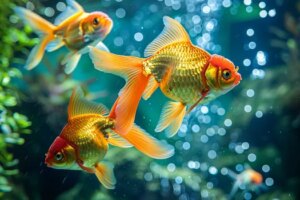
Why Is Your Goldfish Sitting at the Bottom and Not Moving?
Many things cause a goldfish to sink and stay still — wrong medication, poor water, new-environment stress, wrong temperature — but it may also just be hiding or sleeping. This article details the reasons.

Why Puppies Refuse to Eat: Common Causes
Puppies have weak digestion and often refuse food. The cause can be illness, picky eating, physiological anorexia (teething, estrus, pregnancy), indigestion, parasites, a sudden food change, digestive enzyme deficiency, or serious disease such as parvovirus or distemper. Match the sign to the cause and see a vet when other symptoms appear.

How to Care for a Postpartum Dog
After whelping, clean the mother, keep her warm, and support milk with nutritious soups and calcium; watch for lochia and metritis, avoid bathing, and protect puppies from a stressed or neglectful mother.

How to Care for Your Cat’s Teeth and Mouth
Without regular cleaning, food debris on a cat's teeth builds into plaque and then hard tartar, leading to gingivitis, periodontitis or stomatitis that may need extraction. Brush gradually using pet toothpaste and a cat toothbrush — start 2–3 times a week — and pay extra attention to flat-faced breeds like Persians and Himalayans.
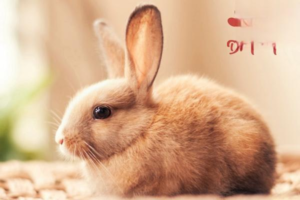
Causes and Treatment of Ulcerative Pododermatitis (Sore Hocks) in Rabbits
Ulcerative pododermatitis (sore hocks) is a pressure-induced skin ulcer on the soles and sides of a rabbit's feet, most often seen in adults kept on hard or wire cage floors. It causes pain, reluctance to move and, if infected, can lead to abscesses, cellulitis or even fatal septicemia. Good hutch design, soft bedding and prompt wound care are key to prevention and treatment.