Search Results
6133 results for “FIC”

Preventing and Treating Feline Steatitis (Yellow Fat Disease)
Feline steatitis, also called yellow fat disease, is a metabolic disorder usually from too much unsaturated fat and vitamin E deficiency in the diet. This article explains it.

Why Is Your Dog in Low Spirits?
A dog in low spirits is usually from unmet needs, neglect, feeling threatened, heat, or physical discomfort. A dog needs more than food — it craves attention, and long neglect easily lowers its mood. Here are the common causes.

Rabbit Feeding Habits and Eating Behavior
Rabbits are single-stomach herbivores that prefer plants, pellets and a little vegetable oil or sweet feed, with animal feed kept under 5%. They practice coprophagy — eating nutrient-rich soft cecotropes at night — and eat mostly after dusk, so sudden feed changes cause refusal and gut upset. Introduce any new feed, including animal protein during pregnancy or lactation, gradually.

Common Parrot Eye Diseases and Treatment
Parrots commonly face keratitis, conjunctivitis, and cataracts. Keratitis ranges from surface scratches (tearing, light sensitivity) to deep or penetrating wounds threatening sight, treated by removing debris and antibiotic drops in dim light. Conjunctivitis from injury, vitamin lack, or infection needs boric-acid rinses and chloramphenicol; cataracts need surgery, so prevent with good hygiene and peace.
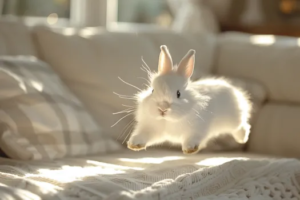
Rabbit Mycotoxin Poisoning: Symptoms and Control
Mycotoxin poisoning in rabbits comes from moldy feed, peaks in hot humid summer, and hits lactating does hardest with no contagion and poor drug response. Acute signs are appetite loss, irregular stools, staggering, and death in 2 to 4 days. Prevent it with strict feed storage and anti-mold additives, and treat by stopping the moldy feed and giving glucose, vitamins, and antifungal drugs.

Key Points for Selecting Breeding Rabbits
Breeding stock is the core of a rabbitry, so selection must be planned and scientific. For meat rabbits check growth, feed conversion (2.8–3.2:1), conception rate (≥85%), litter size (≥6–8) and weaning survival (≥80%). For wool rabbits judge yield, density, length and evenness; for rex rabbits judge color purity, fur that is short, flat, fine, dense and secure, and adult weight above 3.5 kg. Always verify the animal's health.

A Turtle’s Main Nutritional Needs
A turtle needs protein, fat, carbohydrates, minerals and vitamins; a lack of any stalls growth, causes disease and can be fatal. Protein demand falls with age (hatchling > juvenile > breeder > adult) and must be animal-based; fat carries vitamins A/D/E/K but rancidizes if not stored cold and sealed; starch is best around 22.7–25.3%. Captive turtles also need added calcium, phosphorus and a complex vitamin mix.

What Games Can You Play with Your Dog?
A dog's life is simple — beyond eating and resting, it mostly wants to play with you. Some owners are busy or don't know what to play, so interaction is rare. But playing deepens your bond and helps health. Here are games to try.

Male vs. Female Dogs: Which Is Easier to Keep?
Male dogs are larger, more playful and territorial, eager but impatient to train; females are calmer, more affectionate, cleaner and steadier to train. Males mark territory and may fight when in season, while females have a heat bleed and can accidentally become pregnant. Each sex also has its own common diseases, so the choice comes down to your own situation and preference.

What Water Is Best for Your Dog to Drink?
Tap water carries chlorine, bacteria and heavy metals, so boil and cool it, or run it through a good filter. Bottled mineral water is fine occasionally but not long-term (kidney burden, stones); purified water is safe but needs dietary minerals; rain and river water are best avoided because of pollution. Boiled or purified water is the everyday choice, and skip juice, tea, coffee and cola.