Search Results
551 results for “Dog Health, Exercise”

What to Do When Your Dog Won’t Sleep at Night
In the early days of dog ownership, many owners are puzzled when their dog won't sleep at night - running around and howling, seriously disturbing the family and neighbors. What should you do, and how can you calm the dog down?

Dog Care Tips When Temperatures Suddenly Drop
When it turns cold, bathe dogs less, keep coats brushed, feed more nutritious food, keep up outdoor exercise, and give them a warm bed.
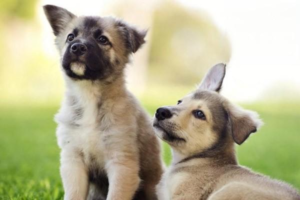
Winter Warmth Mistakes for Dogs
Winter is cold, so keeping a dog warm is needed - but wrong methods threaten its health and safety.

How to Help Your Cat Live a Longer, Healthier Life
A cat's longevity depends on weight control, a healthy gut, antioxidants, muscle mass, and skin health. Support these through quality protein, targeted supplements, and daily activity.
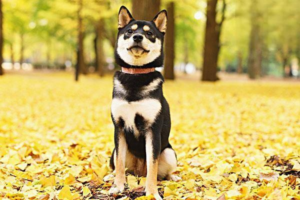
How to Prevent Dog Asthma Attacks?
Dog asthma is not scary, but it may last a lifetime. Good prevention lets the dog live normally, so prevention is the real focus. Here is how owners can prevent attacks.
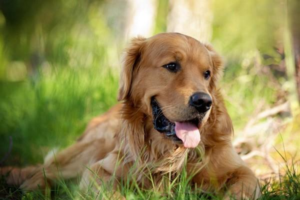
Is Your Dog Panting Hard Because It’s Tired?
Dogs pant for many reasons — heat, fatigue, or illness such as bacterial infection, pneumonia, bronchitis, even asthma. Panting is not always just tiredness. Learn to tell normal panting from asthma.

Why Is My Dog Panting Even When It Hasn’t Moved?
We all know dogs pant with their tongues out after hard exercise. But sometimes a dog pants constantly even without moving — is it just old age? That is one reason. Here are the main causes of frequent panting in dogs.

What to Do When a Dog Is Chronically Constipated with Dry, Hard, and Small Stools
A dog's long-term constipation with dry, hard, and small stools is generally related to diet, but if the owner finds through dietary adjustment that the dog's constipation has not improved, consider whether the dog has other intestinal diseases. Below we introduce the causes and solutions of long-term constipation in dogs.

How to Regulate a Dog’s Stomach When It Often Has Diarrhea
A dog's frequent diarrhea may be caused by diet or intestinal parasites. It can usually be regulated through diet, exercise, and deworming prevention, but the owner needs to regulate according to the dog's specific situation to be simpler and more effective. For the specific content of how to regulate a dog's stomach when it often has diarrhea, please read on with us!

Understanding Pet Diabetes: Symptoms & Treatment in Dogs and Cats
Diabetes in pets is mostly primary (beta-cell damage) and shows as eat-more/drink-more/urinate-more/weight-loss. Management needs insulin, glucose-lowering drugs, fluids, diet, and infection control; prevention is fiber, exercise, and regular glucose checks.