Search Results
850 results for “Disease spread”

Cricetulus Barabensis
The striped hamster (Cricetulus Barabensis), also called the ground hamster, is a typical mammal. It is the dominant rodent species in several provinces north of the Yellow River in China. In agriculture it is a harmful animal that spreads disease.
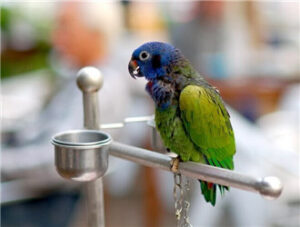
Blue-headed Parrot
The Blue-headed Parrot (Pionus menstruus) is a relatively small, slightly plump parrot with a short tail that can live up to 25 years with good care. It is one of the more commonly kept parrots of its genus, with three subspecies that differ mainly in the depth and spread of the blue coloration on the head.

How to Prevent and Treat Dog Mammary Tumors
Dog mammary tumors are usually removed by surgery, the best fix, but anesthesia carries risk so use a proper clinic. They strike unspayed females around 8-10, especially with false pregnancy or an all-meat diet. Benign are small, regular, clear-edged; malignant grow fast and blur. The key prevention is spaying before the first heat, which also lowers reproductive disease and can extend life.

Why Do Dogs Get Mammary Tumors?
Mammary tumors are common in unspayed older females and driven by hormones; spaying, especially before the first heat, sharply lowers risk. Early signs are a hard lump in the mammary area with no appetite change; benign lumps are smooth and free, malignant ones uneven, stuck, and fast. Treat with surgery, plus chemo if malignant; spay early if not breeding.

How to Treat Dog Keratitis
Dog keratitis shows as discharge and red conjunctiva and worsens without prompt care. It splits into acute, chronic, and purulent forms; treat with chloramphenicol or warm/cold compresses, flush acute cases with boric acid or rivanol, and address the root cause (distemper, chlamydia, allergy, chemical burn).

Rabbit Mange (Scabies): Symptoms and Control
Rabbit mange is a highly contagious mite infestation starting on low-fur areas (nose, eyes, claws, ears) and causing intense itch, scabs, hair loss, weight loss, and death if untreated. Isolate the sick rabbit at once, disinfect everything, and treat mild cases with ivermectin or trichlorfon plus 2% iodine; keep housing clean, dry, and well-lit to prevent it.

Why Does a Female Cat Urinate on the Bed?
Common reasons a female cat pees on the bed include heat, fright, and urinary tract disease. Judge the cause by the situation. This article covers the common cases.

Symptoms of Hookworm Infection in Dogs
Mild hookworm infection often shows no clear signs — mainly weight loss, pica and poor digestion. Severe cases bring pale mucous membranes, reduced appetite, vomiting, thin coat, arched back and even bloody stool. This article details canine hookworm disease.

What to Do When a Rabbit Has Heatstroke
Rabbits overheat easily because of their thick coat and poor heat dissipation, and severe heatstroke can be fatal. Move a stricken rabbit to a cool, ventilated place, cool it with a damp towel, and prevent recurrence by keeping cages shaded, well-ventilated and supplied with plenty of water.

Rabbit Louse Infestation: Signs and Treatment
Rabbit pediculosis is caused by the rabbit blood-sucking louse (Haemodipsus), spread by contact, that bites and itches the skin, causing restlessness, weight loss, and poor coats, worst in kits. Spot the lice and yellow eggs at the fur base; treat with ivermectin injection or coumaphos/trichlorfon/fenvalerate washes, and prevent by quarantine, cleaning, and routine deworming.