Search Results
850 results for “Disease spread”

Preventing Rabbit Myxomatosis
Myxomatosis is a near-always-fatal viral disease of rabbits spread mainly by mosquitoes and rabbit fleas that carry the virus from sick animals. Signs include conjunctivitis, widespread head swelling and a 'lion-head' face, breathing trouble, and jelly-like tumors; mortality exceeds 95%. Keep it out through strict import bans and quarantine of breeding stock.

Preventing and Treating Rabbit Pasteurellosis
Pasteurella multocida lives quietly in the nasal and tonsillar tissue of many healthy rabbits and strikes only when stress or poor husbandry lowers resistance, spreading through secretions and contaminated feed or water. Control it with strict sanitation, regular vaccination, and prompt antibiotic or antiserum treatment.

Preventing and Treating Rabbit Bordetellosis
Rabbit bordetellosis, caused by Bordetella bronchiseptica, is a chronic respiratory infection that hits young rabbits hardest, especially in spring and autumn. Keep it out with closed-herd breeding, strict sanitation, and biannual vaccination, and treat outbreaks with isolation and Gram-negative antibiotics.
Preventing and Treating Rabbit Paratyphoid (Salmonellosis)
Rabbit paratyphoid (salmonellosis) is a zoonotic infection spread by contaminated feed and water, rodents, and flies; signs range from sudden death to diarrhea, wasting, and abortion in pregnant does. Control it by excluding vectors and vaccinating does, and treat with chloramphenicol, oxytetracycline, streptomycin, or sulfonamides.

4 Common Mistakes When Walking Your Dog
Daily walks help a dog's health, but the wrong approach causes harm. Always use a leash, avoid walking in high heat, keep the dog at your side rather than letting it lead, and limit time in grass and bushes where ticks and parasites lurk. Regular deworming and bathing also protect against external parasites.
Silver Arowana: Morphology and Breeding Methods
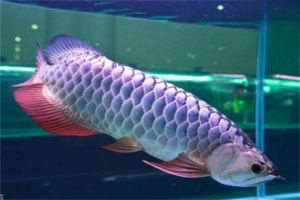
The silver arowana is all silver, peaceful and easy to keep, but grows fast and can exceed 1 m, so it needs a spacious tank. It is a mouth-brooder: choose one healthy male (6–8 yrs, 50–60 cm) and one female (7–9 yrs, 40–50 cm), keep the tank absolutely quiet during spawning, and the male will carry 40–50 fertilized eggs in his mouth for about two months.

Cat Sinusitis: Causes, Symptoms, and Treatment
Cat sinusitis is common, usually from bacteria, viruses, fungi, or irritants, causing sneezing, nasal discharge, congestion, breathing trouble, snoring, red watery eyes, poor appetite, and lethargy. Severe cases show blood-tinged, foul-smelling discharge and may lead to brain complications. Treatment depends on cause and severity: bacterial cases need antibiotics, viral cases antivirals, plus nasal flushing and a cleaner environment.

Best Goldfish Breeds for Beginners
Good beginner goldfish include comet, ryukin, black moor (dragon-eye), Thai lionhead, Chinese lionhead, and tigerhead — all vigorous and easy to keep, ideal for practice. Keeping them alive is easy; keeping them well takes effort: regular water changes, prompt cleanup of waste and leftover food, good water quality, and feeding to 70–80% full to avoid digestive upset.

How to Care for a Pet Rabbit, Especially One Newly Brought Home
Rabbits need hay (alfalfa for young, timothy for adults), pellets and veg twice daily, fresh water, a dry 15-25 C home, and no baths. A new rabbit needs quiet, limited space, separation from residents, and a fecal test (not yet deworming) at the vet.
What happens if a puppy eats dog poop?
A puppy eating dog poop usually leads to problems. First, poop contains many bacteria and pathogens such as parasites, bacteria, and viruses, which can cause diarrhea, vomiting, and appetite loss. Second, those pathogens can spread to other dogs or humans. Stop the behavior and see a vet if symptoms appear.