Search Results
850 results for “Disease spread”

Types of Avian Trichomoniasis in Parrots
Avian trichomoniasis is caused by Trichomonas gallinae in the upper digestive tract. Mortality is low but incidence and spread are high, and it triggers other diseases, so prevention is necessary. Our team introduces the types and clinical signs.
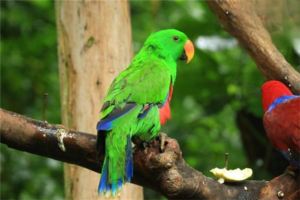
Causes and Prevention of Parrot Trichomoniasis
Parrot trichomoniasis is a parasitic disease caused by flagellate trichomonas, attacking the upper digestive tract. Without timely treatment, the esophagus can block, causing starvation. Owners should prevent it. Our team shares prevention methods.

Must-Know Tips for Keeping Parrots in Summer!
Many owners relax management after stopping breeding in summer, but summer needs more attention so parrots thrive later. Our team shares summer management notes.

Why Does a Dog Get a Fungal Infection?
The dog-keeping crowd grows, and owners find skin disease usually comes from fungi. Why and how to treat it? Our team explains the causes and methods.

Why Is My Cat Grooming So Much?
Cats groom a steady amount daily, so a sudden jump can mean dirt, stress, or itchy skin. Watch for hairballs and skin trouble, and ease anxiety in multi-cat or clingy homes.

Cat Anemia: Causes and Prevention
Cat anemia is not just about poor diet - it can stem from single-nutrition feeding, external parasites, feline leukemia, congenital marrow disease, or sepsis. Prevent it with a balanced, nutrient-rich diet, regular deworming, and supplements like a blood-building paste.

Why Does Your Dog Have Red Bumps on Its Skin?
Red bumps on a dog are usually a sign of skin disease caused by fungal or bacterial infection, eczema, or parasite bites. Treat mild cases with an anti-itch ointment plus isolation and cleaning; for parasite-related bumps, apply external deworming and prevent spread to people and other pets.
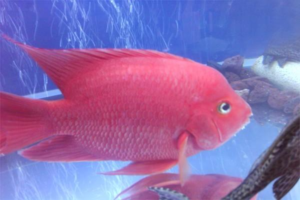
What to Do When Parrot Fish Grow White Fuzz
White fuzz on parrot fish comes from poor or unstable water, temperature swings, or saprolegniasis (fungus). Fix water quality, raise temperature to 30 C then settle at 25-28 C, or salt-bath / potassium permanganate the isolated fish for about a week.

Key Things to Watch in Summer Dog Care
In summer keep food fresh (toss leftovers, always have clean water), bathe and trim weekly but not too short, avoid direct AC drafts, deworm and mosquito-proof, and walk at dawn or dusk to prevent heatstroke.

How to Treat Saprolegniasis (Fungus) in Blood Parrot Fish
Saprolegniasis (also called cotton fungus) is a common skin disease in blood parrot fish, possible year-round. It starts from wounds or poor water quality that lets fungus take hold, and shows as white cotton-like growth. Isolate the sick fish, disinfect the tank, and treat with salt baths.