Search Results
51 results for “Daily Care, Handling”

How to Avoid Conflict with Your Cat
Cats show clear warning signs before attacking—puffed fur, thrashing tail, airplane ears, hissing, and wide eyes. Give them space: avoid eye contact, back away, and don't punish. Rule out pain or illness with a vet check if aggression appears suddenly, and use food and calm handling to rebuild trust.

Treatment Plan for Turtle Enteritis
Turtle enteritis comes in chronic and acute forms; chronic cases are mild and easier to manage, while acute enteritis can kill turtles en masse within a short time and is highly contagious through the air. Management means isolating and disinfecting sick turtles, and treating with gentamicin/chloramphenicol injections or oral oxytetracycline/berberine, with prevention favored over cure.

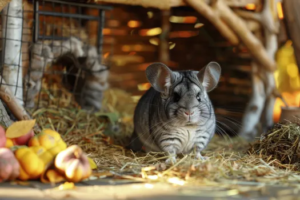
What to Do When a Chinchilla Has Heatstroke
Chinchillas come from cold, dry, well-ventilated highlands, so they tolerate heat poorly and many die of heatstroke yearly. Cool them gradually and seek a vet promptly.

Polish Rabbit
The Polish Rabbit is a purebred pet rabbit originating from Poland, the smallest of all purebred rabbits at under 10 cm long. Timid and shy, it needs careful handling and a clean, well-ventilated environment, with hay as the dietary staple.

Painted Conure
The Painted Conure (Pyrrhura picta) has 9 subspecies and lives in forests and forest edges of Venezuela, Brazil, and neighboring countries, mostly around 600 m elevation. A small, attractive conure, it is a decent pet but sensitive to temperature changes and needs a clean environment and a varied, nutritious diet.

A Beginner’s Guide to Keeping a Golden Hamster
Small pets are easy to keep, which is why animals like guinea pigs were tamed. The golden hamster, also called the Syrian hamster, is a favorite. Here is how beginners should care for one.
How to Make Your Hamster Friendly and Bond with You
Hamsters are not very smart and are naturally timid, but with patient daily handling they gradually learn to recognize their owner and become affectionate. The key is to let the hamster get used to your scent, win it over with food, build up physical contact slowly, and stay calm and gentle during interaction.

Where Do Hamsters Like to Be Petted?
Hamsters are timid, but many enjoy being touched on the back and belly, and the loose skin on the neck sides. Build trust first, never grab suddenly, keep strokes gentle, and wash your hands so your scent does not startle them.
I just brought home a 36-day-old female lovebird; it screeches when I approach, won’t take formula, and is very resistant
New birds are scared, so do not frighten or force handling, which makes taming harder. Gradually approach with food and a gentle voice until it gets used to you.
Dog had a stick inserted into its ear; the next day it started leaking blood-tinged fluid.
A stick in the ear causes infection; a deep stick may damage the eardrum. See a vet to avoid unprofessional secondary infection. If not possible, calm it, fit a collar, press with cotton to stop bleeding, clean with saline/hydrogen peroxide, then antibiotic ear drops.