Polish Rabbit
2 Photo Gallery

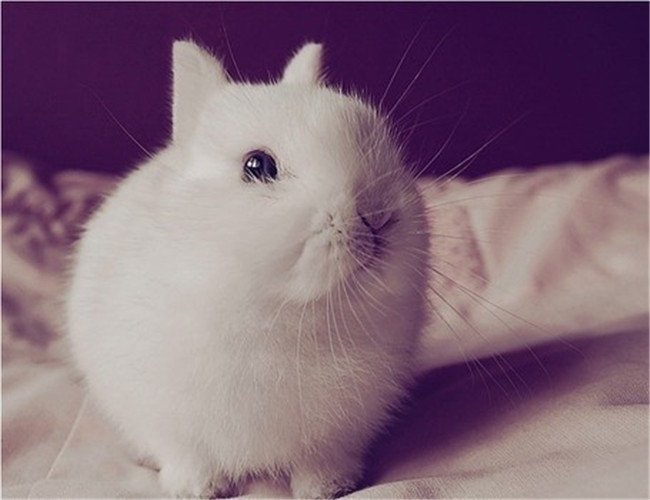
1 Polish Rabbit Breed Overview
Polish Rabbit (details)
The Polish Rabbit originated in Poland and is a very common pet rabbit there. Because it is surprisingly small, it is a bit more troublesome to care for, and it is the smallest of all purebred rabbits, under 10 cm long—very pocket-sized.
Chinese Name: Polish Rabbit
English Name: Polish
Origin: Poland
Reproduction: Live-bearing (viviparous)
Kingdom: Animalia
Phylum: Chordata
Class: Mammalia
Order: Lagomorpha
Family: Leporidae
Genus: Oryctolagus (rabbit)
Species: Polish Rabbit
Habits: Timid and cute, shy and lazy
Physical characteristics: Weight under 1.6 kg, the smallest purebred; round body, short head, ears upright and close together, under 7.6 cm long; short, dense coat
Diet: Herbivorous
Recognizing association: American Rabbit Breeders Association (ARBA)
2 Physical Characteristics of the Polish Rabbit
As a pet rabbit breed, the Polish Rabbit is beloved, but many sellers pass off ordinary rabbits as Polish. Young rabbits are hard to identify, so watch closely: first know the Polish Rabbit’s appearance, then how to choose one.
3 Polish Rabbit Care Knowledge
Polish Rabbit (details)
The Polish Rabbit’s small size makes care somewhat difficult; for small rabbits, disease prevention matters more. They are quite tough little animals—when ill, it is usually already advanced—so watch for changes at all times.
I. Can the Polish Rabbit be bathed?
The Polish Rabbit is very timid and easily startled; there are cases of rabbits dying from baths. Actually it is not that rabbits cannot be bathed, but rough handling during bathing may scare them to death! Vets recommend home rabbits be bathed only every 1–2 months.
II. Polish Rabbit care points
Trim nails about once a month; if exercise is enough, extend as needed. Main diet: hay with pellet feed as supplement, plus small amounts of vegetables and fruit. Avoid watery, very sweet fruits like pears and grapes. Use chew wood for teeth.
III. Polish Rabbit disease prevention
Common diseases include colds (Pasteurella), coccidiosis (severe diarrhea), hairballs, ear mites, and foot pad dermatitis. Keep the environment clean and ventilated to prevent disease.
4 Polish Rabbit Living Environment
Polish Rabbit (details)
The Polish Rabbit does not take much room at home; it is a small pet needing more care. Timid and easily startled, its environment setup is particular. Here is its environment requirement.
I. Bedding choice
Avoid wire flooring; put soft pads or cloth on the cage bottom, because the Polish Rabbit’s hind feet have a natural sensory pad to detect predators. Long standing on wire makes foot pad lumps and splayed feet, even refusing to be held. The rabbit picks one corner as a toilet and the opposite as its bed; just put soft cloth at the bed.
II. Litter box setup
Wood shavings are standard to absorb urine and keep shed fur from flying; change often, or the rabbit easily gets skin disease like toe hair loss or calluses. Put wood shavings in the litter box. To train it, when it defecates, immediately place it in the box, and it will learn where to go.
5 Polish Rabbit Care Tips
Polish Rabbit (details)
The most reasonable diet for the Polish Rabbit is a ratio of dried grass to rabbit feed. Do not forget clean drinking water; it has many food choices, detailed below.
Pet rabbits on the market are basically over 3 months old, easy to keep—generally feed green and dry feed at a 1:2 ratio. Do not buy rabbits under 1 month; that stage is high-risk and not fully weaned, and novice neglect easily causes death.
From weaning to 3 months are ‘young rabbits,’ growing fast with poor disease resistance, needing special care, or they develop poorly and die. Weaned kits must be kept warm, clean, and dry, best in cages—3–4 per cage initially. Feed fine mix of bran and soybean cake plus quality hay.
Rabbit milk has 10.4% protein and 12.2% fat—three times milk—so adult feed cannot sustain kits. Feed must be clean and fresh; muddy greens washed and dried before feeding. Feed small, frequent meals: greens 3 times daily, concentrate 2 times, plus some mineral feed.