Search Results
278 results for “Coat brushing”
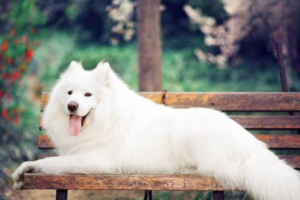
How Climate Change Affects Dogs
Autumn is the most comfortable season, loved by people and dogs alike. Notice that whenever weather changes, a dog's mood shifts noticeably. Heat: most dogs grow listless in hot seasons, preferring the AC; short-nosed breeds lose many companions each summer, and double-coated dogs struggle (owners go mad from shedding)—they need regular brushing for airflow. Cold: dogs turn lazy in severe cold, especially short-haired and lean breeds lacking insulation; long-haired and double-coated dogs thrive. Low pressure: dogs sense weather via air pressure and can foresee storms; the AVMA found pressure changes strongly affect behavior—restlessness, even aggression, or unusual excitement before storms. This doesn't permanently change behavior, but comfort an intense reactor. Do dogs get depressed? A UK vet charity survey found 40% of UK dogs show winter mood drops, suspected of Seasonal Affective Disorder (SAD); affected dogs sleep more and move less, and sunny outdoor time (as in human SAD treatment) eased symptoms—because winter SAD comes from extra melatonin, the sleep hormone, which sunlight stops the pineal gland from releasing.

The ‘Sandwich’ Training Trick to Make Your Cat Cooperate
The 'sandwich' method borrows a conversation technique of praise–criticism–praise and applies the same pattern to cat training. Once you master it, tasks your cat used to resist—giving pills, trimming nails, brushing, detangling—will be met with cooperation. The principle is simple: first do something your cat loves (play, treats); then quickly perform the 'scary' procedure (pilling, etc.); and finally end with something it loves again. Learn what your cat enjoys—chin scratches, baby food, laser pointers, catnip—and identify the procedures it fears, from nail trims to temperature checks. With patience you will discover its motivators, and over time the 'scary' routines lose their fright. A small tip: for long procedures like nail trimming, give a full sandwich after each single nail.

Helping Your Cat Through Shedding Season
As temperatures rise, cats shed heavily and fur flies everywhere—a seasonal battle every owner faces. Shedding is natural, but shaving the cat is a bad idea (it risks skin disease, chills, and ugly regrowth). Expect more hairball vomiting, and fight back with three tools: a good brush to cut daily loose fur, a lint remover (brush for furniture, roller for clothes), and a sweeper (robot, vacuum, or damp mop) for floors. A little extra hairball paste in season helps too.

Why Does My Silver Shaded Cat Shed So Much?
The silver shaded is a British Shorthair with a dense double coat, so it simply has far more hair to lose than a single-coated cat—earning its 'walking dandelion' reputation. Shedding doubles in the spring and autumn molts and during the kitten-to-adult and spay/neuter hormone shifts. Daily brushing, infrequent baths, and good nutrition manage it; patchy or symmetric loss with skin changes means a vet visit.
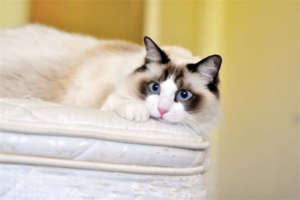
How to Reduce Heavy Shedding in a Ragdoll Cat
A Ragdoll's heavy shedding can stem from seasonal change, poor diet, weak care, stress or an underlying health issue. Brush regularly to stop mats, bathe on a sensible schedule with a gentle cat shampoo, and avoid salty or greasy food while adding omega-3 and vitamins for skin and coat. Keep the home calm and quiet, and if shedding stays severe, have a vet rule out skin disease, allergies, parasites or hormonal problems before treating.
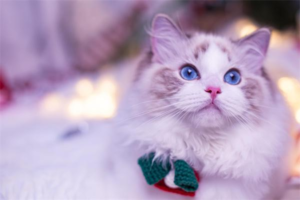
Downsides of Owning a Ragdoll Cat
Ragdolls are beloved but come with real drawbacks: heavy shedding that needs regular grooming, a large body that eats more and costs more, long fur that traps dust and food and spreads around the home, a clingy nature that demands attention, a higher purchase price, and a delicate stomach prone to diarrhea and vomiting. Their upsides, gentle friendliness, easy adaptability, and calm low-energy temperament, often make owners accept the extra work. Weigh the cons against your lifestyle before committing.

Are Mini Lop Rabbits Easy to Care For?
Mini lop rabbits are fairly easy to keep thanks to their small size and gentle nature, but new owners should know a few basics. They enjoy vegetables, carrots, pellets, and hay, yet a single food long term is unhealthy, so vary the diet. Their short coat needs less brushing than long-haired breeds, but ears and paw soles must be cleaned regularly to prevent infection. They are active and playful, needing space and daily exercise, and they crave human interaction and companionship for comfort and fun.

Angora Rabbit
The Angora Rabbit is the fluffy 'grass-mud rabbit' kept for its superfine wool (11 microns, finer than cashmere). Gentle but high-maintenance, it needs shearing every 3–4 months and constant hay to avoid deadly wool block (hairball impaction). Lifespan about 5–7 years.
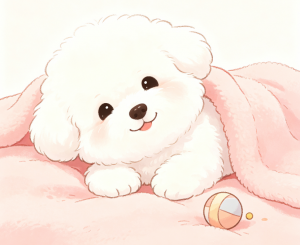
Bichon Frise: Health and Care Considerations Before You Adopt
The Bichon Frise is a gentle, low-shedding companion dog, but prospective owners should know its common care needs: pronounced tear staining from shallow tear ducts, a coat that mats and pulls the skin, separation anxiety, a sensitive stomach, and dental issues. Meeting these needs keeps the dog healthy.
How can I keep my Bichon Frise from smelling bad?
The Bichon Frise is a clean small breed that shouldn't smell much. A strong odor usually comes from infrequent bathing, bad breath, blocked anal glands, or earwax buildup. Regular baths and brushing, teeth brushing 3x/week, weekly ear cleaning, and routine anal-gland expression plus daily exercise keep odor away.