Search Results
278 results for “Coat brushing”
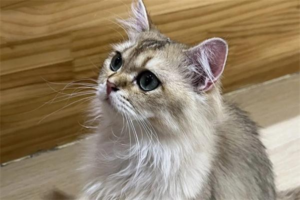
Why Do Cats Hate Being Brushed?
A cat may resist brushing because it's unaccustomed to it or because the technique hurts — a hard brush or rough strokes can pull fur and irritate skin. Pick a soft, cat-specific brush, learn a gentle technique, reward cooperation, and brush when the cat is relaxed to build a positive habit.
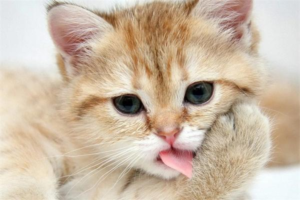
What Are the Risks of Shaving Your Pet?
Shaving a pet can weaken its temperature control, raise the chance of skin allergy or other skin problems, lower coat quality, and affect its mood. Weigh the pros and cons before shaving, and if it is not necessary, it is best not to shave. If you must, use the right tools and method to avoid skin injury.
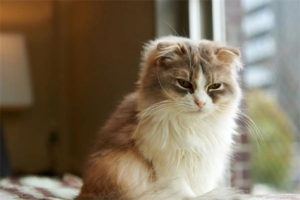
Why Does Cat Fur Become Matted and Hard?
Matted, hardened fur is a common and frustrating problem for many cat owners, and it can seriously affect a cat's comfort and appearance. The issue usually stems from poor grooming habits, an unbalanced diet that lacks essential vitamins and protein, or underlying health problems such as skin infections, inflammation, or fungal disease. When fur is not brushed regularly, loose hairs tangle together and trap dirt, forming tight, stiff mats. In most cases the problem can be prevented and improved through daily brushing, a balanced diet, and routine professional grooming. However, if matting appears together with skin redness, hair loss, or other abnormal signs, a timely visit to the veterinarian is the safest approach.

Why You Should Think Twice Before Getting a West Highland White Terrier
West Highland White Terriers are curious and energetic, which makes them champion destroyers of furniture, especially if separation anxiety sets in. Their signature white coat needs heavy upkeep: trims every 1-2 months, regular hand-stripping, twice-weekly brushing, and monthly baths. They are also known for sensitive stomachs and skin that flares up with the seasons, so diet changes should follow a gradual 7-day transition to a low-allergen food. Add a stubborn, treat-motivated temper and a purchase price of roughly 4,000-20,000 yuan plus higher grooming bills, and the Westie is best suited to experienced, time-rich owners.

Is a Shiba Inu Suitable for City Living?
On the whole, the Shiba Inu fits city life well. A small-to-medium breed, it needs modest space and is friendly, gentle, and quietly confident—happy in an apartment. Its exercise needs are light: a daily walk or some play covers it. Diet and coat care are simple, and its short, dense fur needs only regular brushing and baths. Just give it daily outdoor time, train it not to bark so neighbors aren't disturbed, and it thrives in the city.

What Services Does Pet Grooming Include?
Pet grooming covers a range of cleaning, care, and styling services for your animal. A standard visit includes a bath with pet-safe products, coat trimming and clipping, nail filing, ear cleaning, teeth cleaning, and a styled haircut—exactly what most owners look for. Professional groomers have the skill to handle the work comfortably and can flag skin or health issues early. If home care feels like too much, a reputable salon is a sound choice; but even then, basic at-home maintenance between visits keeps your pet healthy and happy.
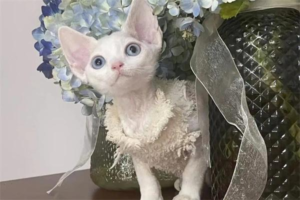
Why Is Your Cat Vomiting White Foam?
White foam vomiting in cats has many causes—food intolerance, digestive upset, hairballs, and gastrointestinal disease among them. Take it seriously and find the trigger. Prevention includes regular brushing, avoiding spoiled or hard-to-digest food, and routine deworming. If it's food-related, pause feeding then switch foods; for digestion, offer easily digestible food; for hairballs, give hairball remedies and brush often; if a health problem is behind it, see a vet rather than dosing blindly.
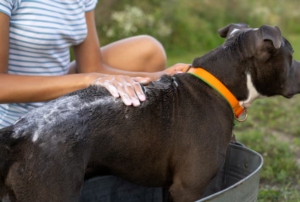
How Often Should You Bathe Your Dog in Summer?
Bathing your dog once a week is usually too often. A dog's skin relies on its sebum layer to stay moist and protected; over-bathing strips it, causing dryness, worse odor, and skin infections. Frequency should follow coat type and lifestyle—indoor small dogs may need only every two to three weeks, while active outdoor dogs can go weekly. Between baths, wipes, toothbrushing, and ear care keep odor down.

What to Do If Your Rabbit’s Fur Turns Yellow
Yellow fur in rabbits can signal poor nutrition, too little sunlight, skipped grooming, illness, or simply urine staining. Because the cause varies, judge by the situation. Feed a balanced diet of fresh grass, vegetables, and quality pellets; give a few hours of gentle outdoor sun (avoid midday heat); brush regularly with a soft comb and use a rabbit-safe shampoo only when needed; and keep the cage clean and dry so urine doesn't stain. If yellowing comes with other symptoms, see a vet for parasites or infection. With diet, light, grooming, and checkups, the coat can recover its healthy shine.

How to Prevent Folliculitis in Dogs
Folliculitis—red, flaky, itchy skin with hair loss—is common in long, short, and hairless dogs alike, but you can lower the risk. Keep the skin clean with dog-specific, lukewarm baths at the right frequency (over-bathing damages the barrier); check the coat and skin weekly for redness, sores, or bald patches; feed quality, balanced food and skip table scraps that trigger obesity and hormone issues; give outdoor exercise to boost circulation and immunity; avoid over-brushing or over-clipping that breaks the skin barrier; and control external parasites with regular deworming. For a dog already affected, keep its space dry and clean, use gentle products, and see a vet promptly for severe signs like pus or intense itching—treatment is usually antibiotics, anti-inflammatories, or topical antiseptics.