Search Results
286 results for “Cat ticks”

How to Choose a Parasite Treatment: Internal, External, and Combined
Parasites threaten every pet, even indoor ones, and choosing among internal, external, and combined treatments is where new owners get stuck. This guide lists the common parasites cats and dogs face, explains the three product categories and their typical active ingredients, and answers beginner questions—why deworm even with no visible bugs, where to apply drops, when bathing is safe, and whether imports are always better. The takeaway: deworming is a long-term habit built on the right product, correct use, and consistency.

How to Choose a Dewormer for Dogs
Most dogs meet parasites at least once, and fleas, roundworms, and heartworm are among the most common. Deworming is not a gimmick, yet three myths—indoor dogs are safe, price equals quality, one dose lasts half a year—lead owners astray. This guide covers the three standards for choosing (spectrum, safety, value), the Collie caution with ivermectin-class drugs, and a sensible schedule: monthly external and combined coverage, internal every three months for adults, and vet-guided care for puppies, pregnant, or sick dogs. Low price need not mean low efficacy.

Black Marsh Turtle
The Black Marsh Turtle (Siebenrockiella crassicollis), also called the Siamese temple turtle, is a medium-sized black freshwater turtle from Southeast Asia. Wild numbers are low, but captive-bred individuals now meet demand. An IUCN Vulnerable species, it is not for beginners.
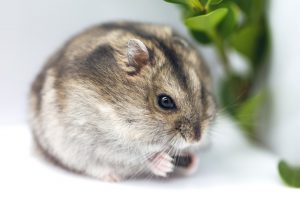
Winter White Dwarf Hamster
The Winter White Dwarf Hamster (Phodopus sungorus), also called the Djungarian hamster or Russian dwarf, is the easiest and tamest of the small hamsters and turns white in winter. A solitary species, it needs a safe cage, a wheel, and a careful diet free of onion, chocolate, and apple seeds. Lifespan 2–3 years.

Dutch Rabbit
The Dutch Rabbit is a small, distinctly marked pet rabbit with a white inverted-V on the face and a sharp color split between front and back. Gentle, smart, and nearly odorless, it needs timothy hay, a chew stick, steady 25–32°C, and a wire-free, dry cage. Lifespan about 5–7 years.

Pudding Hamster
The Pudding Hamster is a popular pet variety named for its pudding-yellow coat. Gentle and easy to handle, it is heat-sensitive, territorial, and can nip — so wash your hands before handling and never co-house it. It lives 1–3 years and needs steady 20–28°C and careful, chew-safe feeding.

Standard Gray Chinchilla
The Standard Gray Chinchilla — the original 'Totoro' — is a vegetarian rodent from the high Andes of South America. Gentle, clean, nearly odorless and long-lived (8–10 years), it needs a cage, dust baths, constant chewing material, and careful protection from heatstroke.

Bell’s/Lowveld Hinge-back Tortoise
Bell's Hinge-back Tortoise (Kinixys belliana) is a relatively common hinge-back tortoise that lives a solitary life in dry habitats. Demanding in its care, it is not recommended for beginner keepers.

Canine and Feline Eperythrozoonosis (Hemotrophic Mycoplasmosis): Symptoms, Transmission, and Treatment
Eperythrozoonosis, also called hemotrophic mycoplasmosis, is a tick- and flea-borne infectious disease of dogs and cats marked by anemia and jaundice. It is treated with tetracycline-class antibiotics and supportive care.

Feline Hemobartonellosis (Feline Infectious Anemia): Symptoms, Treatment, and Prevention
Feline hemobartonellosis, also called feline infectious anemia, is a rickettsial disease caused by Mycoplasma haemofelis, marked by anemia and splenomegaly.