Search Results
199 results for “Cat cystitis”
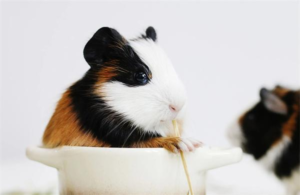
Common Guinea Pig Diseases and Their Symptoms
Guinea pigs commonly suffer digestive troubles (diarrhea, constipation, gut parasites), respiratory infections (pneumonia, bronchitis), skin disease from bacteria, fungus, or external parasites, and urinary issues (cystitis, nephritis). Good diet, clean housing, checkups, and prevention keep them healthy.
What Age Is Best to Bring a Kitten Home?
The best age to bring a kitten home is 12–16 weeks. Weaning is around 8 weeks, but 8–12 weeks is the golden window for learning bite control, litter use, and social rules from mom and siblings, and the first vaccine is at 8–9 weeks when immunity is still weak. Wait until after the second (11–12 weeks) or third (14–16 weeks) vaccine to avoid panleukopenia and herpes. A ready kitten eats dry food, uses the litter box, plays well, has had at least one vaccine, and weighs over 1 lb.
Why is my two-month-old kitten vomiting yellow foamy liquid?
This signals gastrointestinal disease (bacterial enteritis, parasites, obstruction, distemper) or serious internal illness (pancreatitis, kidney failure). See a vet — home care isn't enough.
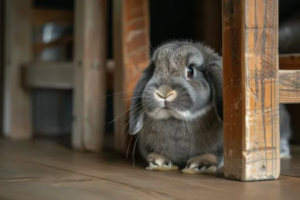
Is Your Rabbit’s Red Urine Always Blood?
Red urine in a rabbit is not always blood. Eating pigmented foods like carrot or beet can tint it light red or orange with normal behavior, and some medicines such as vitamin C or iron can do the same. True bleeding comes from a urinary infection or stones, giving a dark red or brown color along with straining, frequent urination, or low output, which needs a veterinarian. Prevent problems with a balanced diet, plenty of water, a clean cage, and regular checks of the urine.

Enrofloxacin for Pets: What It Treats and Key Safety Notes
Enrofloxacin is a third-generation fluoroquinolone antibiotic made for animals. It works by blocking a bacterial enzyme needed for DNA replication, and it is commonly used for urinary, reproductive, digestive, and skin or soft-tissue infections in dogs and cats. It is prescription-only: typical oral dosing is 5–10 mg/kg per day, and several groups should never receive it. Always follow your veterinarian's plan.

Canine and Feline Nasolacrimal Duct Obstruction (Epiphora)
Nasolacrimal duct obstruction blocks normal tear drainage in dogs and cats, causing chronic epiphora (tear overflow) and facial staining. Congenital duct atresia usually needs surgical correction, while acquired obstruction from conjunctivitis or injury is managed by treating the underlying cause.

Canine and Feline Liver Fluke Infection (Opisthorchiasis): Symptoms, Treatment, and Prevention
Liver fluke infection is caused by Clonorchis sinensis and Opisthorchis felineus living in the bile ducts of dogs and cats, producing cholangitis, cholecystitis, and liver dysfunction. It is treated with flukicides and liver support.

Dry Eye (Keratoconjunctivitis Sicca) in Dogs: Symptoms and Treatment
KCS, or dry eye, is an eye disease in dogs caused by a lack of the watery tear layer, an inflammation of the cornea and conjunctiva from dryness. This article explains the symptoms of dry eye and how it is diagnosed and treated.

Why Is Your Dog Vomiting Green Fluid?
Green vomit is uncommon but serious. It can mean gastritis (with prior diarrhea and poor appetite), a heavy parasite infection (thick green fluid with eggs), or cholecystitis — for which there is no specific home drug and a vet is needed. Act fast; delay can be fatal.
- « Previous
- 1
- …
- 18
- 19
- 20