Search Results
199 results for “Cat cystitis”

Cat Cystitis Complication: Acute Renal Failure
Cat cystitis has many complications — constipation, diarrhea, bloating, ulcers, pancreatitis, thrombosis, ascites, even bladder paralysis and enlargement. The most common is dehydration leading to renal failure.

Causes and Treatment of Cat Cystitis
Cat cystitis is a common and painful urinary condition caused by bacterial infection, diet, stress, and environmental factors. Affected cats show frequent, painful urination and cloudy or bloody urine. Treatment combines antibiotics, dietary adjustment, and good litter-box hygiene, with prevention focused on hydration and a clean environment.
How long does it take to treat cat cystitis?
Feline cystitis generally clears up after 7 to 10 days of treatment. It is common in male cats and causes painful, frequent urination that needs prompt care.
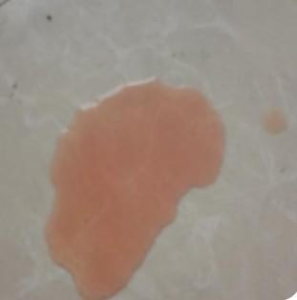
Male Cat Cystitis with Pink Urine: A Recovery Case
A 4-year-old male cat had on-and-off pink, blood-tinged urine—classic of cystitis, urethritis, or crystal irritation of the lower urinary tract, which causes frequent, scanty, painful urination. A diuretic to flush the tract plus an antibiotic for infection, with plenty of water and clean litter, brought normal urine color in about three days. Recurring pink urine, though, deserves a vet check for stones.
Causes and Treatment of Cystitis in Cats
Feline cystitis is either bacterial — infection reaching the bladder through the urethra or kidneys — or idiopathic, with no infection involved. Treatment starts with making sure the cat can urinate (unblocking if needed) and calming inflammation with medication, while prevention rests on low stress, plenty of fresh water, and a clean litter box.

Cystitis in Cats and Dogs: Symptoms, Treatment and Prevention
Cats and dogs with cystitis show slow, painful urination, often assuming the posture but passing only a little urine.

Feline Idiopathic Cystitis (FIC) in Cats
Feline idiopathic cystitis (FIC) accounts for over half of cats' lower urinary tract disease. It is not stones or infection — the main treatment is water, not prescription diet or antibiotics.
My cat threw up for three days after a trip, won’t eat, and vomited again after medication for suspected cholecystitis
Cat cholecystitis needs ultrasound and inflammation tests to confirm. Since vomiting continued after medication, a color Doppler scan is advised to rule out pancreatitis, which cholecystitis can trigger. A full check determines the cause.
Will a cat die from cystitis?
Cystitis is curable and rarely fatal with timely care, usually healing in 7-10 days. Signs are frequent, painful urination and low appetite; ensure water intake.

What Causes Cat Dacryocystitis (and How It’s Treated)
Cat dacryocystitis (inflammation of the tear ducts/sac) can stem from genetics, facial structure, environment, or eye disease. Flat-faced breeds like Persians and Exotic Shorthairs are prone to blocked ducts. Keep the eyes clean and the environment dust-free to prevent it. Treatment targets the cause: gentle cleaning and vet-guided drops (antibiotics, anti-inflammatories, lubricants), surgery for severe cases to clear the sac, and a clean, humidified home to ease symptoms.