Search Results
199 results for “Cat cystitis”

Why Your Cat Has a Lot of Eye Discharge
A little eye discharge is normal, but a sudden gush of it is not. The cause may be diet-related heat, keratitis, dacryocystitis, or an injury. Clean gently with warm water and see a vet when the discharge is colored, foul, or paired with redness.
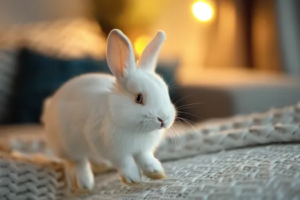
What to Do When a Rabbit Is Lethargic and Won’t Eat
A rabbit that stops eating and loses its spark is often overfed, frightened, bacterial, or battling internal parasites such as coccidiosis. Male rabbits may simply be blocked by a full bladder, while coccidiosis needs prompt antiparasitic treatment — and any unclear case belongs at the vet.
Bladder and Urethral Stones in Dogs: Symptoms and Treatment
Urinary stones form when minerals crystallize in the bladder or urethra, causing straining, frequent tiny urinations, and blood in the urine. Bladder stones usually need surgical removal; urethral stones are flushed back or taken out surgically. Prevention centers on plenty of water, adequate vitamin A, and a balanced diet rather than an all-meat one.

What Your Dog’s Waste and Walk Reveal About Its Health
Beyond temperature, pulse, and weight, a walk is the best window into your dog's health — watch its gait, expression, and the color and shape of its urine and stool. Red or dark urine can mean bleeding, cloudy urine an infection, shiny urine crystals, and orange urine jaundice; soft, bloody, or black stool points to digestive trouble. Catch these early and bring a fresh sample to the vet.
What to Do When Eye Discharge Seals Your Kitten’s Eyes
Crusted-shut eyes can be simple dietary “heat” from rich food and low water, but yellow-green discharge or redness points to a blocked tear duct or keratitis that needs a vet. Use natural food, push water, and always fit an Elizabethan collar during treatment.

What to Do When a Dog Has Urethral Discharge (Pus)
Canine urethral abscess results from urethral inflammation in dogs and requires prompt medication. Bacterial infection of the dog's urethral mucosa is also called a urinary tract infection, medically known as urethritis. Main symptoms include painful urination, urethral swelling, sensitivity of the urethral opening, redness and swelling of the urethral orifice, and difficulty inserting a catheter, more commonly seen in dogs.

Symptoms of Urethritis in Dogs
Canine urethritis is bacterial inflammation of the urethral lining, often from mechanical or chemical irritation or nearby spread (cystitis). Signs are painful, dripping urination with cloudy or bloody urine; treat with antibiotics and potassium permanganate flushes.

Feline Lower Urinary Tract Disease (FLUTD): Causes, Signs and Treatment
Feline lower urinary tract syndrome (FLUTD) is divided into obstructive and non-obstructive types. Obstructive means the urethra is fully or partially blocked. Within 2–3 days of complete blockage, urine retained in the bladder flows backward to the kidneys; this back-pressure suppresses glomerular filtration, causing waste and toxins to accumulate in the blood and leading to uremia. If not treated within 3–6 days, the cat can die. The non-obstructive type is milder; with prompt catheterization and proper daily care, it largely resolves on its own within a week.

How to Choose Golden Retriever Puppy Food
Goldens and Labs are similar mid-large dogs; Goldens have luxuriant coats, Labs short. Their skin nutrition needs are similar, so written together - how to choose their food.

What the Colors of Dog Urine Mean
The simplest health check is watching stool - but urine tells even more. Here's what dog urine colors signal.