Search Results
12 results for “Cat Sinusitis”

Cat Sinusitis: Causes, Symptoms, and Treatment
Cat sinusitis is common, usually from bacteria, viruses, fungi, or irritants, causing sneezing, nasal discharge, congestion, breathing trouble, snoring, red watery eyes, poor appetite, and lethargy. Severe cases show blood-tinged, foul-smelling discharge and may lead to brain complications. Treatment depends on cause and severity: bacterial cases need antibiotics, viral cases antivirals, plus nasal flushing and a cleaner environment.
What Causes Cat Sinusitis (and How to Prevent It)
Feline sinusitis is inflammation of the nasal passages and sinuses, usually from bacterial, viral, or fungal infection, and sometimes as a complication of dental disease or upper respiratory infection. Young and old cats are most at risk. Prevention means a clean, well-ventilated home; regular dental checks; a balanced, immunity-boosting diet; avoiding sick animals; and routine vet visits. See a vet if your cat sneezes often, has constant nasal discharge, seems congested, or loses appetite.
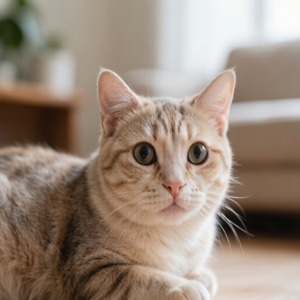
How to Treat Cat Sinusitis
Cat sinusitis is a common respiratory disease that can cause difficult breathing, coughing, head discomfort, and discharge. Treatment centers on controlling the infection—antibiotics such as amoxicillin-clavulanate for bacterial cases, or antiviral drugs like interferon when a virus is involved—plus isolation to protect other cats. Severe cases may need nasal flushing, and surgery if pus builds up and blocks breathing. This article outlines the symptoms, treatments, and home care you should know.

Sinusitis in Dogs and Cats: Symptoms, Treatment, and Prevention
Sinusitis is inflammation of the maxillary, frontal, and sphenoid sinus linings, usually secondary to rhinitis, influenza, or facial trauma. It produces nasal discharge and breathing difficulty and is treated by clearing the sinuses and controlling infection.
Why Cats Are Prone to Feline Herpes (Cat Flu)
Cat flu (feline rhinotracheitis) comes from feline herpesvirus and hits weak or young cats hard; strays are commonly infected. Signs are sneezing, eye/nose discharge, and fever. The FVRCP vaccine prevents it; isolate suspects and add lysine.

Common Respiratory Tract Diseases in Cats
Coughing, sneezing, or difficulty breathing are the classic signs of a respiratory problem. This overview covers the nose, throat, and trachea — and the conditions that affect each, including some that also occur in dogs.
See the video
A cat that sneezes frequently and then suddenly twitches as if having a seizure may be suffering from a respiratory infection or strong nasal irritation. Common respiratory infections include feline herpesvirus, calicivirus, chlamydia, and mycoplasma; nasal tumors, sinusitis, chemical irritation, and dust allergies can also cause itching and sneezing.
Seems like a blocked nose, breathing through the mouth, and a bit of runny nose when waking.
A blocked cat nose is nasal congestion, possibly from a cold, rhinitis, respiratory virus, pneumonia, or a nasal blockage like sinusitis or a tumor. If it lasts, see a vet. For ordinary respiratory disease, use nebulization or anti-inflammatory drugs; viral needs antivirals; a growth may need surgery.
What to Do When Your Rabbit Keeps Sneezing
Rabbits have sensitive noses, so frequent sneezing can signal anything from a mild allergy to a respiratory infection. Common triggers include pollen and dust allergies, poor diet, colds caught in damp or cold environments, and sinusitis. If your rabbit sneezes occasionally with no other signs, it is usually nothing to worry about. But if sneezing is frequent or paired with discharge, coughing, or red eyes, you should improve the living environment, adjust the diet, identify and remove allergens, and seek a veterinarian's advice. This guide walks through the likely causes and the practical steps you can take at home before a clinic visit becomes necessary.
Why Is Your Dog’s Nose Running
Dust, other irritants in the nose, or a sudden change in weather can all make a dog's nose run, and that is usually harmless. But thick, pus-like discharge with fever or cough, constant drooling, lost appetite, or a changed environment are reasons to pay attention. The discharge itself tells a story: thick mucus hints at bacterial or viral infection, thin watery fluid points to rhinitis or an upper respiratory infection, and pus suggests inflammation with pus formation. Many conditions can cause it - drug or food poisoning, food allergy, pulmonary edema, nasal stenosis, sinusitis, rhinitis, heartworm, canine flu, adenovirus II, infectious hepatitis, and distemper. The simplest check is to wipe the dog's nose with a tissue and look at the result.