Search Results
99 results for “Cat Digestive Health”

How to Bathe and Deworm Your Cat
Regular deworming protects both your cat and your home. Plan on an internal dewormer every three months and an external one every month, and always bathe your cat before applying a topical product so the treatment can work.

Why Is My Cat’s Belly Making Noise?
Gurgling or rumbling from a cat's stomach is usually normal gut motility, but frequent or loud noise can signal digestive trouble. It often precedes diarrhea and may point to a chill, stress, diet change, parasites or unbalanced gut flora. Watch for accompanying signs and adjust diet or seek care as needed.
Why Does My Dog Raise Its Butt?
A dog that raises its rear may simply be stretching, inviting play, showing affection or submission, or signaling heat in an unspayed female. If the posture is sudden, frequent, and accompanied by obvious pain, it can point to abdominal discomfort and warrants a vet visit.

Can Chinchillas Get Parasites?
A chinchilla's dense coat makes it hard for most parasites to reach the skin, but contact with infested pets or damp, unsanitary surroundings can still lead to mites, lice, or fleas. Keep the cage dry and clean, check the coat regularly, and see a vet if you spot itching or hair loss.
How Combined Spot-On Parasite Treatments Work
Parasite control is now routine for most pet owners, but choosing among crowded products is hard. Combined internal-and-external spot-on treatments have become the top pick because one monthly application covers many parasites. This guide explains why prevention matters, how a combined spot-on works through the ingredient pair imidacloprid plus moxidectin, and how to apply it safely and conveniently. Quality products are gentle, clearly labeled, and free of harsh additives—making professional-level prevention practical for ordinary homes. Always confirm the right product with a veterinarian.
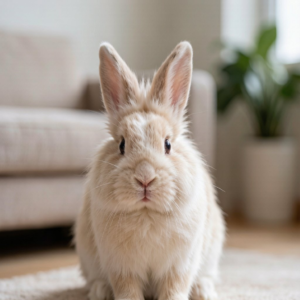
Lionhead Rabbit: Appearance and How to Choose One
The Lionhead rabbit is small but round, with a plump body and a distinctive mane of long fur around the neck that forms a V shape like a tiny lion. Picking a healthy individual is the key to successful keeping. Avoid unweaned or very young rabbits, which are fragile and harder to raise; beginners should choose one over two months old. Knowing the breed's looks and common ailments helps you select a vigorous pet and care for it well.
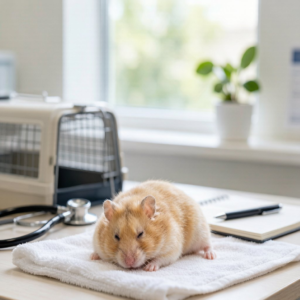
Common Illnesses in Golden Hamsters
Golden hamsters commonly face skin allergies, colds, diarrhea, constipation, and eye trouble such as conjunctivitis, mostly linked to diet and environment. To lower the risk, manage food and housing carefully, keep nutrition complete and safe, and maintain a clean, dry habitat.
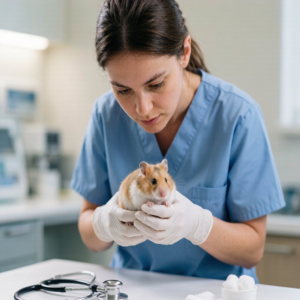
Common Diseases in Hamsters
Hamsters face several common diseases, including tumors, respiratory conditions, digestive problems, skin issues, and dental trouble. Some are easy to prevent, for example by offering chew tools so teeth stay the right length, which lowers the chance of dental disease. To protect your hamster, take preventive measures early, watch its behavior and symptoms closely, and visit a veterinary clinic promptly if anything seems wrong.
What to Do When You Bring Home a Found Kitten
Finding a stray kitten is tempting to take home right away, but the right sequence protects both the kitten and your household. Because strays can carry parasites, panleukopenia, or ringworm—some transmissible to other pets and people—the first step is a veterinary check-up before the kitten enters your home; treat any illness in the clinic first if needed. At home, set up a quiet, enclosed room with a litter box, water, and food so the kitten feels safe, and avoid bathing it, which can trigger stress and illness. Ease the diet in with plain food and probiotics rather than rich treats. If you have resident cats, isolate the newcomer for 7–15 days, then slowly mix scents before supervised meetings. Finally, deworm and vaccinate (FVRCP and rabies) after a short settling period.

How to Relieve Gas and Bloating in Chinchillas
When a chinchilla is bloated, you can gently massage its abdomen to encourage gut movement and help gas pass. If the bloating persists or worsens, consult a veterinarian who can examine the cause and advise proper treatment. For chinchillas that bloat often, adjust the diet and offer more hay, since its fiber supports digestion and prevents gas. Feeding smaller meals several times a day instead of one large portion also slows eating and reduces digestive upset. This article covers the common signs of bloating and the practical steps you can take at home to help your chinchilla feel better.