Search Results
99 results for “Cat Digestive Health”

Cat Cold vs. Feline Herpesvirus (Cat Flu): What’s the Difference?
Feline herpesvirus (cat flu / infectious rhinotracheitis) is a serious, potentially fatal respiratory disease with fever, eye inflammation, and high mortality in kittens, while an ordinary cat cold causes mild sneezing and clear discharge. Vaccination and lysine supplementation help prevent it.
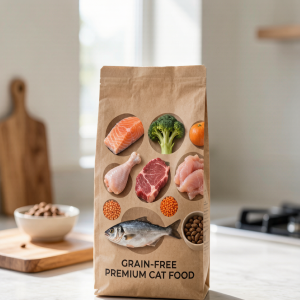
How to Choose High-Quality Cat Food
As a seasoned owner, to please my cat I once tested over 20 cat foods, collecting and analyzing their formulas. Facing uneven quality, many owners struggle to choose; here are methods to pick cat food.

What Are Probiotics – Can Cats and Dogs Take Them?
Probiotics are a home staple for cats, easing diarrhea or soft stool. But picking a quality product puzzles many owners. This article explores the topic.

Cat Constipation: Symptoms and Solutions
Cat constipation troubles many owners; long-term constipation can disrupt internal functions and cause a range of health problems. Let us explain the symptoms and solutions in detail.

How to Choose Cat Food and Canned Food
Cat food, cans, and treats on the market are dazzling, and reviews vary widely. Even well-regarded brands may contain some unhealthy ingredients.

At What Age Is a Cat Considered an Adult?
Cats are adults at 12 months and over, with a mature digestive system that handles balanced nutrition well. Transition gradually to adult food, watch weight and kidney or eye health, and consider spaying or neutering if you do not plan to breed.

Can Cats Eat Oranges or Tangerines?
Most cats dislike the acidic smell of citrus and will not eat it voluntarily. Larger amounts of oranges or tangerines can upset a cat's stomach and, in severe cases, be dangerous. Grapes and several other fruits are genuinely toxic and should never be offered.

Why Does My Cat Have Soft Stools?
Soft stools in cats point to a digestive problem—most often a sudden food change, intestinal parasites, overeating, or gastritis. A gradual 7-day food transition, regular deworming, and portion control usually fix it; ongoing cases need a vet.

Cat Suddenly Stopped Eating and Looks Lethargic
When a cat refuses food, loses energy, and wastes away for three to five days, the gut is usually involved. Hairballs, overeating, parasites, or gastritis are common culprits. A bland, scheduled diet and the right supplement often bring the appetite back.

How Dogs Catch Parvovirus
Canine parvovirus is a highly contagious gut disease of dogs, especially puppies, causing vomiting, diarrhea, dehydration, and sometimes death. It spreads through infected waste and saliva and survives in the environment for months. Vaccination and quick vet care are key.