Search Results
99 results for “Cat Digestive Health”

Can Dogs Eat Cheese?
Cheese is a familiar food that boosts a dog's appetite and supplies calcium, but is it really suitable? Over 4,000 cheeses exist. Harms: overfeeding causes obesity, but more importantly cheese delivers high sodium and lactose. Cheese-making uses salt, and its sodium can cause high blood pressure and organ damage, so experts do not recommend feeding cheese long-term. Benefits: good protein; essential vitamins and minerals; rich calcium; vitamin A; B vitamins; healthy fatty acids. Avoid: blue cheese and other French cheeses—blue produces a toxin fatal to dogs (difficulty breathing, racing heart, then seizures; needs prompt stomach pumping) and has the highest sodium; cheeses with garlic or herbs (Havarti, even cream cheese); Brie and feta, the highest in saturated fat, which can trigger pancreatitis. Dogs to avoid cheese: overweight; lactose-intolerant (diarrhea); picky eaters (cheese won't fix appetite); those with digestive disease (a burden). Choose: low-fat cheese, and cottage cheese if possible (lowest fat and sodium)—always read the label.
Internal Parasites in Turtles: Tapeworms and Roundworms
Tapeworms and roundworms are two of the most common internal parasites in turtles, and telling them apart matters because the treatment differs. Tapeworms steal nutrients in the gut and shed visible segments in the stool; roundworms come in many forms and can block the intestine when severe. Both are diagnosed through fecal exams and treated with specific dewormers plus gut support. This guide outlines the symptoms of each and the practical medication and aftercare steps to clear them.
Internal Parasites in Turtles: Flukes and Protozoa
Flukes and protozoa are among the more common internal parasites in pet turtles, and knowing their signs helps you act before they drain your turtle's health. Flukes lodge in the liver, pancreas, and gut, causing appetite loss and bloody stool, while protozoa such as amoebas inflame the intestine and often trigger bacterial enteritis at the same time. Both are diagnosed through fecal checks and treated with specific dewormers plus gut support. This guide lays out the symptoms and the matching treatment for each parasite.

How to Manage Chronic Indigestion in Dogs
Recurring indigestion in dogs is often linked to poor diet, food allergies, or conditions like gastroenteritis. Managing it starts with the right food: choose an age- and health-appropriate dog food, avoid greasy, spicy, or irritating human foods, and add vegetables, fruits, and fiber to support gut movement. Probiotics or digestive enzymes can aid digestion, while clean bowls and fresh water prevent contamination. Feed smaller, more frequent meals, transition diets gradually, and take your dog for a gentle walk about half an hour after eating to stimulate the gut. Persistent or worsening signs warrant a veterinary visit.
My one-month-old Malinois had deworming yesterday and lost its appetite the next day — why?
Reduced appetite after internal deworming is normal; the medication irritates the gut and may cause mild vomiting, diarrhea, or appetite loss that usually passes in 1–2 days. If symptoms persist, rule out allergy or other illness and see a vet.

How to Prevent Pica in Rabbits
Pica is when a rabbit eats non-food items like fabric, plastic, paper or wires, often from unbalanced fiber, lack of chew material, stress, boredom or loneliness, or an underlying problem such as overgrown teeth or gut parasites. Prevent it with plenty of hay and fresh vegetables, clean bowls, safe chew toys, tunnels and climbing spots, and regular social contact and affection. If diarrhea, constipation or vomiting appears, see a vet, since digestive disease can drive the behavior.

How Long Can a Dog Survive Heartworm
How long a heartworm-infected dog lives depends on infection site and severity, the dog's age and health, and how effective treatment is. Mild cases often recover with medication, while moderate to severe ones may need risky surgery. With proper treatment a dog can live for years; without it, death may come in weeks to months. Seek a vet promptly for diagnosis and care.
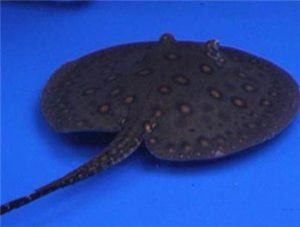
Pearl Stingray
The Pearl Stingray (Potamotrygon motoro), also called the Amazon River Stingray, is a common stingray in aquariums. Its charming pattern of round cream spots like pearls gives the name 'Pearl Stingray'.

Flower Ranchu
The Flower Ranchu is a variety of goldfish. Because the Ranchu belongs to the egg-shaped, tiger-head goldfish group, the Flower Ranchu is one of the more distinctive goldfish varieties. Its most striking feature is a well-developed head growth, which is the key to its appeal.
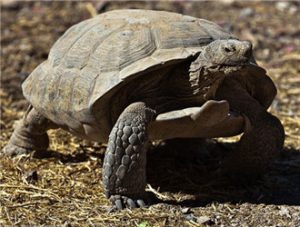
Desert Tortoise
The Desert Tortoise (Gopherus agassizii) is a hardy, large land tortoise from the dry southwestern United States and northwestern Mexico. Plain-looking with faint carapace markings, it is a protected and trade-restricted species and is challenging to keep outside its arid native range.