Search Results
89 results for “Cat Digestive Health”

Cat Food Ingredients to Avoid, No Matter How Cheap
Not all cat food is created equal, and the ingredient list is the single most reliable way to judge quality. Some products hide preservatives, flavor enhancers, and fillers that can harm your cat over time — from potential carcinogens like BHA, BHT, ethoxyquin, and TBHQ to appetite stimulants such as MSG and pyrophosphate. Other risky additives include propylene glycol, nitrites, synthetic vitamin K3, and thickening gums, while artificial colors and sweeteners add sugar and nothing of value. Because cats are obligate carnivores, diets overloaded with corn, wheat, or soy not only lack nutrition but may trigger allergies and even aflatoxin exposure. Learning to read the label helps you protect your cat from low-grade food, no matter how attractive the price.
What to Do When Your Cat or Dog Has Chronic Constipation, Diarrhea, or Indigestion
About 60 to 80 percent of a cat or dog's immune system resides in the digestive tract, and a healthy gut is the body's first line of defense against pathogens and toxins. When the intestinal flora falls out of balance, pets frequently develop constipation, diarrhea, and poor digestion and become far more prone to illness. Diet, stress, medications, and a naturally smaller microbiome all influence gut health. Probiotics can help restore balance, but most beneficial bacteria are destroyed by stomach acid or by heat during food processing. This guide explains why gut balance matters, what disrupts it, and how to choose a heat- and acid-resistant, high-activity probiotic that actually survives to reach the intestines where it is needed.
Why Isn’t My Ragdoll Cat Gaining Weight?
Ragdoll cats that eat plenty but never seem to gain weight worry many owners, yet the cause is not always disease. Genetics, low activity, or an unbalanced diet may simply mean your cat burns or absorbs fewer calories than expected. Parasites are another common culprit that blocks nutrient absorption. If diet and exercise adjustments bring no improvement, a veterinary check-up can rule out hyperthyroidism, digestive disorders, or liver problems. This article explains the likely causes and the practical steps you can take at home to help your Ragdoll reach a healthy weight.
Why Won’t My Cat Use the Litter Box?
A cat that suddenly stops using the litter box is sending a signal, not being spiteful. The cause is usually the box itself—dirty, cramped, noisy, the wrong litter, or too few boxes in a multi-cat home—or a health issue like constipation, diarrhea, or joint pain. Stress from changes at home is the third big driver. Fix the box and environment first; see a vet if pain or abnormal stool is involved.
Cat Has Chronic Diarrhea? It’s More Than a Sensitive Stomach
Long-term diarrhea in cats is rarely just a 'delicate stomach' you can fix by swapping food or adding probiotics. Diet and food allergy are common, but so are parasites (some needing specific drugs), inflammatory bowel disease, and metabolic diseases like pancreatitis, hyperthyroidism, or kidney disease. Stress is a third driver. Work through the causes step by step and let a vet run the right tests.

Should Cats Eat One Food or Rotate?
Feeding one food keeps a cat's gut stable and makes health changes easy to spot, but it risks nutrient gaps, pickiness that fights later prescription diets, and silent formula changes. Rotating broadens nutrition and spreads product-risk, yet sudden or too-frequent switches upset the stomach. The balanced answer is to rotate on a schedule, with a slow 7–10 day transition and a few months on each food.
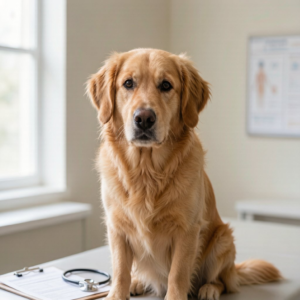
Common Items in a Dog Health Checkup
A routine dog checkup covers coat and skin, weight, temperature, eyes, ears, teeth, feces, X-rays, and blood work. Many diseases show no early signs and become serious or even untreatable by the time they appear, and older dogs face organ decline and age-related illness, so yearly exams are worthwhile. A typical visit measures rectal temperature (normal 38-38.9°C), checks eyes and ears for cleanliness, assesses coat and weight, examines the mouth for gum or tooth disease, and may add fecal, X-ray, or blood tests as needed.

Why Your Cat Eats But Stays Thin
A cat that eats plenty yet stays thin can point to a weak digestive system, high activity, picky eating, illness, or genetics. If the cat is not naturally slender but eats well without gaining weight, a vet check is wise to rule out problems and adjust diet. Some cats are simply born lean and stay healthy that way, which is no cause for worry. Either way, forcing extra weight is unhealthy.

Hyperlipidaemia in Dogs and Cats
Hyperlipidaemia is a metabolic disorder in which blood fats such as cholesterol and triglycerides rise above normal. It often accompanies hypothyroidism, diabetes or obesity, and is managed by correcting the underlying disease and feeding a low-fat diet.

Candidiasis in Dogs and Cats: Symptoms, Treatment, and Prevention
Candidiasis is a fungal disease caused by Candida species, especially Candida albicans. The organism can invade skin and mucosa and involve internal organs. Most cases are opportunistic infections.