Search Results
798 results for “Cat Behavior”

Why Does Your Cat Always Steal Your Seat When You Get Up?
Cats claim your warm, scent-marked spot for comforting reasons: your lingering smell and pheromones soothe them, the residual warmth is inviting, they're marking territory, or they're fishing for attention. It's less annoyance than affection, a sign of a close bond. If you'd rather they didn't, you can gently redirect the behavior.
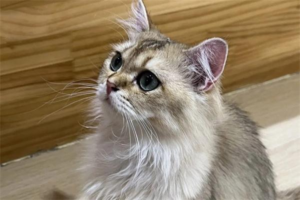
What Experiences Can Leave a Cat With Psychological Trauma?
Cats are sensitive and easily stressed; trauma can come from abandonment, seeing a companion harmed, a traffic accident, long confinement, harsh treatment, or an owner's death. Avoid these triggers and handle misbehavior with rewards and calm correction, never violence.
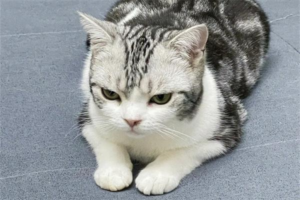
What to Do When Your Cat Hisses at You
Cats hiss from feeling threatened—new environments, food guarding, hunger, protecting kittens, pain, or a touched 'no-go' zone like the belly or paw pads. Don't hit back; redirect with treats or toys, use a calm voice, and if hissing is new or constant, rule out illness with a vet check.
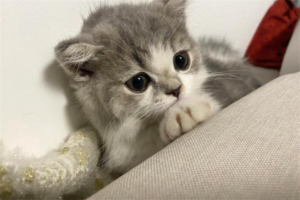
Where Do Cats Like to Give Birth?
Cats seek out hidden, warm, quiet places to give birth so they feel safe and undisturbed. At home, a soft-lined box in a calm, warm corner works well — and you should watch for labor signs and get veterinary help if delivery is delayed or looks difficult.
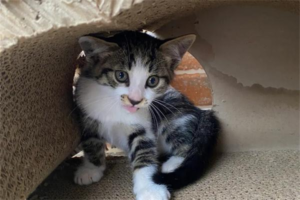
What Does It Mean When a Stray Cat Rubs Against You?
A stray cat rubbing on you usually signals affection and trust — but it may also be seeking food, help, a home, or even 'claiming' you. Strays lack steady food, so they approach friendly people for a meal. Some were once pets and still hope to be adopted. Stay cautious: keep distance to avoid bites, watch for illness, and if you take one in, get a vet check, vaccines, and deworming.

Why Does Your Cat Love Drinking from Your Cup?
A cat may prefer your cup for several reasons: it likes fresh, clean water and may snub a stale bowl; moving water catches its eye; and it may be mimicking you. Keep its bowl water fresh and clean, and in cold weather offer warm water, to encourage drinking — dehydration raises the risk of urinary stones.

My Cat Keeps Biting My Hands — Stop Using Force to Correct It
The moment a cat goes to bite your hand, pull back and stop all interaction, then give it 10–15 minutes alone to calm down. If it has already latched on, hold still and make a sharp 'hiss' (a cat-to-cat warning) until it lets go, then leave. Never use your hands as toys — switch to a long wand teaser — and for teething kittens, swap some wet food for dry kibble plus dental chews.

How to Comfort a Cat After It Gets Scared
Move a scared cat to a quiet, enclosed space (a bedroom or carrier) with its familiar blanket and toys, close doors and curtains, and use a pheromone spray. After it settles, crouch about a meter away, offer a finger for it to sniff, then pet the forehead or chin. Keep the home calm for 24 hours. Watch for signs of true stress — not eating, vomiting, or straining to urinate — and see a vet if they appear.
What to Do If Your Cat Has a Difficult Temperament
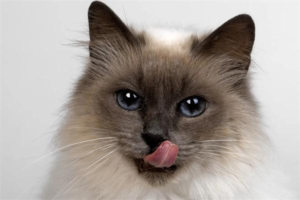
A grumpy cat may be unmet in its needs or physically uncomfortable; neglect, poor diet, or illness all show as bad mood. Find the cause first. Build a calm, stable home, spend daily time playing and bonding, meet its physical and emotional needs, and be patient through heat or pregnancy — most cats warm up with steady, gentle care.
What are the signs of a cat in heat?
A female cat in heat shows vaginal discharge and swelling, becomes anxious and vocal, rubs against legs, and may spray strong-smelling urine. Appetite drops and she may refuse food, with signs fading as estrus ends.