Search Results
118 results for “Cat Aggression”
Why Does Your Cat Suddenly Attack You?
A sudden cat attack can come from rough play, awkward petting, pain, or jealousy. If you play with your hands, a cat may treat them as toys and bite—stop this early so it doesn't become a habit. Touching a cat's sore spots (paws, belly) or petting too hard can trigger a swipe; a sick or painful cat may lash out when touched. Jealousy also fuels aggression—don't flaunt other cats. Learn your cat's limits to keep the peace.
Why Does My Cat Gently Bite Me?
A cat's gentle bite is rarely aggression—it is usually communication. It may be an invitation to play, since cats explore with mouth and paws; a sign of affection, as light bites are how cats bond with each other; a way to express unease or a need when anxious; or a warning to stop what you are doing. Read the situation and respond calmly. Beyond decoding the bite, give your cat enough exercise and interaction, offer cat-safe toys and treats (never human snacks), and learn its body language to build a closer, trusting relationship.
Why does my cat grab my hand and bite and kick it?
Usually playful behavior, common in kittens - not aggression. Use a wand toy to redirect; don't use your hands to play so it doesn't learn to target them.
Why Has My Cat’s Personality Changed?
A sudden change in a cat's temperament can come from heat, neutering, strong pain, illness, a teenage 'rebellious' phase, or psychological stress. A cat in heat grows restless and may spray, then settles after; neutering usually makes it calmer and lowers reproductive-disease risk. Pain makes a cat reject touch and lash out, so see a veterinarian if it guards a body part. New pets, punishment, or loneliness can also trigger fear or retaliation, and sensitive cats can develop anxiety or depression without enough companionship.
How to Stop a Cat From Scratching and Biting
Cats scratch and bite for many reasons: seeking attention, defending resources, fear or pain, new environments, or overstimulated play. Fix it with patience, not punishment. Build trust with affection and treats, reward calm behavior, avoid scaring the cat, and give it a safe play space with enough toys. If aggression persists from fear or stress, seek help from a veterinarian or a professional trainer.
What Kinds of Cats Are the Most Affectionate
Cats have a reputation for being aloof, so when one chooses to cuddle and beg for attention it feels like a real win. Affection shows up as following you room to room, jumping on your laptop, sleeping in your bed, sitting on your lap, meowing or pawing for notice, and rubbing its face on you. Male cats tend to be cuddlier than females because they act on instinct and, after neutering, pour that need for contact onto their owner. Breeds like American Shorthair, Ragdoll, Maine Coon, and Siamese lean affectionate. Build trust by meeting the cat's needs and respecting its space, but beware over-dependence: too much clinginess can become separation anxiety, a real stress disorder worth managing.

Do Cats Bully Each Other?
Bullying does occur among cats, yet owners often overlook it—especially in multi-cat homes. Cats are territorial animals that establish a social hierarchy, so competition over food, water, litter boxes, space, or a newcomer's arrival can trigger one cat to intimidate another. Typical bullying includes chasing, pouncing, biting, resource guarding, and social exclusion, while victims may over-groom, hide, lose appetite, or grow aggressive. Left unchecked, chronic stress harms the targeted cat's health and the household's harmony. The good news is that owners can prevent and reduce conflict by providing ample resources, introducing new cats gradually, intervening calmly when fights start, and avoiding favoritism. This guide explains why cats bully, how to spot both the behavior and its victims, and practical steps to restore peace.
How Cats Show Stress and Why It Matters
A trigger can be noise, a stranger, travel, or a move, and each cat reacts differently. Hiding, hissing, even sudden aggression are normal first responses, while deeper stress brings appetite changes, soft stools, or vomiting. Beyond discomfort, strong stress lowers immunity and can unmask hidden disease, so calm, patient handling matters most.
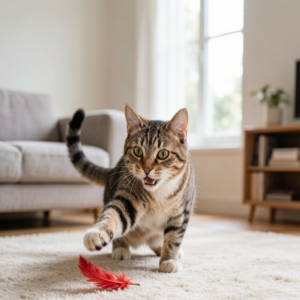
Why Does My Cat Attack Me?
A cat that attacks its owner is often reacting to misunderstood play or training. Using hands or feet to play can teach a cat to treat body parts as prey, triggering its hunting instinct to strike. To prevent this, never encourage such play and redirect with a wand toy. Attacks can also be a bid for attention, in which case ignoring the behavior works best. Kittens that bite usually missed socialization training, which teaches them how to interact with people. Other causes include fear-based defense, pain or illness, and redirected anger. Reading the context helps you respond safely.
Health Check and Prep Before Bringing a New Cat Home
Before a new cat comes home, a health check is the smart first step, plus a few daily supplies once it arrives. A pre-purchase exam, blood and stool tests, and X-rays map out the kitten's condition. Then watch for the big early risks: panleukopenia, cat flu, ear mites, and gastroenteritis. Avoid baths or shaving unless a skin issue demands it, since the stress can trigger behavior problems and illness. Knowing the warning signs helps you act fast.