Search Results
62 results for “Cat Aggression”
How to Correct a Cat’s Biting Habit
Cats bite for reasons like fear, anxiety, or physical and mental discomfort. To reduce biting, learn their body language and habits and act early with socialization training. Never use violence, which only worsens anxiety and aggression; use calm, patient, positive correction instead.
Which Cat Breeds Rarely Bite? (And Why Personality Still Wins)
If you worry about being bitten, choose a naturally gentle breed: Ragdoll, British Shorthair, Maine Coon, Birman, exotic shorthair (Exotic), Siamese, Sphynx, and orange tabbies are widely seen as low-aggression, friendly, and people-oriented, good for families with kids. Ragdolls go limp and forgiving, British Shorthairs warn with a soft paw, Maine Coons show feeling by walking away, and orange tabbies are affectionate but prone to weight gain. Yet every cat is an individual, and even these breeds can bite if pushed past their limits. Learn each cat's boundaries, respect its feelings, and avoid over-stimulating it.

How to Help Cats and Dogs Get Along
To keep cats and dogs friendly, consider their temperaments before adding a pet, avoiding two short-tempered animals together, and guide them to build a good relationship. Give each its own bowls and enough food and water, and let each have its own territory to avoid fights over resources and space.

Yes, Cats Get Jealous: 5 Signs to Watch For
Cats may look aloof, but they do feel jealousy, rooted in a strong sense of ownership. When a new pet arrives or you focus on another animal, a cat may fixate on the "rival" while emitting a low growl. Some cats act out by spraying, destroying things, or fighting; others go quiet, hide, and refuse food. That withdrawal reflects sadness and anxiety, and if ignored it can harm health, lowering immunity, causing weight loss, or triggering feline idiopathic cystitis. The good news is that jealousy means your cat cares; more one-on-one time and a slow introduction of newcomers resolve most cases.
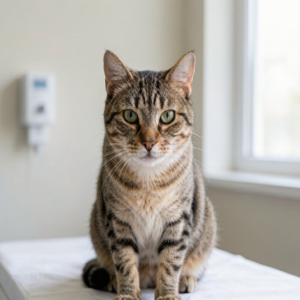
Why Has Your Cat Suddenly Become Aggressive?
A cat can turn aggressive for many reasons, including physical health problems, social conflict, bad past experiences, lack of play and stimulation, and fear or stress. Owners should learn their cat's physical and emotional needs and provide affection, social contact, stimulation, and a safe environment to prevent negative moods. If the aggression persists or worsens, have the cat checked at a veterinary clinic and, when needed, consult a professional animal behaviorist.
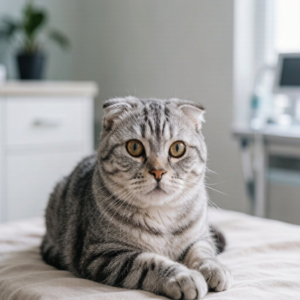
Scottish Fold Cats: Pros and Cons to Consider
Scottish Fold cats win fans with their round eyes, plush cheeks, and famously folded ears, but like every breed they come with both strengths and weaknesses. On the plus side they are loyal, gentle, easy to get along with, quiet-voiced, and quick to learn. The trade-offs are real, though: they are costly, carry a high risk of inherited conditions such as abnormal cartilage growth and narrow airways, have naturally weaker immune systems, and are prone to delicate digestion. Before bringing one home, take an honest look at whether you can meet the extra time, expense, and lifelong commitment their care demands.
Does a Cat’s Personality Change After Neutering?
The belief that cats turn gentler after neutering is partly true but not guaranteed. Neutering removes the testes or ovaries and uterus, so a cat can no longer breed and its sex hormone levels drop. Without heat cycles driving hormones up, many cats become calmer and more stable, with less aggression and territorial drive, and they often accept petting more willingly. But the direction and size of any change depend on the cat's age, temperament, and environment. Some become more aloof and less social, and right after surgery a cat may act irritable and lose appetite from pain, fear, and the stress of the procedure. Others show no clear change at all, especially if their personality was already steady. Support your cat through mood swings with extra affection, a stable routine, private space, and more gentle interaction. Neutering does not rewrite a cat's core self, so stay patient and respect its individuality.
Why Does Your Cat Suddenly Attack You?
A sudden cat attack can come from rough play, awkward petting, pain, or jealousy. If you play with your hands, a cat may treat them as toys and bite—stop this early so it doesn't become a habit. Touching a cat's sore spots (paws, belly) or petting too hard can trigger a swipe; a sick or painful cat may lash out when touched. Jealousy also fuels aggression—don't flaunt other cats. Learn your cat's limits to keep the peace.
Why Does My Cat Gently Bite Me?
A cat's gentle bite is rarely aggression—it is usually communication. It may be an invitation to play, since cats explore with mouth and paws; a sign of affection, as light bites are how cats bond with each other; a way to express unease or a need when anxious; or a warning to stop what you are doing. Read the situation and respond calmly. Beyond decoding the bite, give your cat enough exercise and interaction, offer cat-safe toys and treats (never human snacks), and learn its body language to build a closer, trusting relationship.
Why does my cat grab my hand and bite and kick it?
Usually playful behavior, common in kittens - not aggression. Use a wand toy to redirect; don't use your hands to play so it doesn't learn to target them.