Search Results
118 results for “Cat Aggression”

Egyptian Cobra
The Egyptian Cobra (Naja haje) is a large, highly venomous snake of northern Africa and the Arabian Peninsula, famed as the 'asp' of Cleopatra. Reaching 1.5–2.4 m with a broad neck hood, it is mostly nocturnal and delivers a potent neurotoxic venom—among the deadliest cobras.

The Entre Rios Tarantula
The Entre Rios Tarantula (Grammostola iheringi) is a large, strikingly colored pet tarantula from southern Brazil and the Rio Grande do Sul region, noted for its calm temperament. Its dark green-to-black body contrasted with a vivid red abdomen makes it one of the most coveted species among hobbyists, though export restrictions keep it rare and pricey.
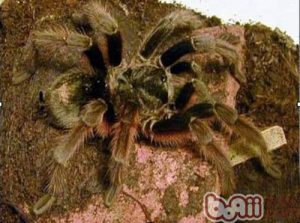
Brazilian Coffee Tarantula
The Brazilian Coffee Tarantula (Acanthoscurria suina), also known as the Argentine Coffee, is a ground-dwelling species from Argentina and Uruguay that favors subtropical grassland. With a mild temperament, slow speed, and modest size, it is often recommended as a good starter tarantula for beginners.
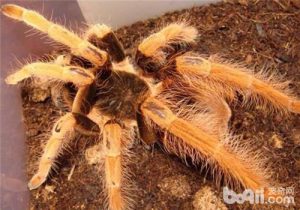
Colombian Redleg Tarantula
The Colombian redleg (Megaphobema robustum) is a rare, large, gentle tarantula from highland Colombia, reaching an 18 cm leg span. Best for intermediate keepers, it needs cool temperatures and may be nervous and defensive.

Creaser’s Mud Turtle
Creaser's Mud Turtle (Kinosternon creaseri) is a lesser-known mud turtle with a dark shell and pale head. Known for its aggression and strong territoriality, it is rarely kept in captivity and seldom seen in the market.

Canine and Feline Brain Tumors
Brain tumors in dogs and cats are most often meningeal or glial tumors that appear in middle-aged to older pets, with some breeds such as Boxers and Bulldogs overrepresented. They compress brain tissue and cause gradually worsening neurological signs including behavior changes, circling, head tilt, blindness, and seizures.

Rabies: Symptoms, Transmission, and the Critical Importance of Vaccination
Rabies is a fatal viral disease that affects the brain and spinal cord of mammals, including dogs, cats, and humans. It spreads through the bite of an infected animal and causes fear of water, light, and progressive paralysis. Prevention through vaccination is the only reliable defense.

Causes of Feline Phobias
Fear is a normal response to threatening stimuli, but when it becomes excessive and irrational it crosses into phobia. This article explains the possible triggers of feline phobias, how they develop through innate and learned pathways, the sensitive period of kitten socialization, and how to prevent fear from becoming a lifelong problem.
- « Previous
- 1
- …
- 10
- 11
- 12