Search Results
5279 results for “Can f 5”

Is It Normal for a Cat to Stick Its Tongue Out Often?
A cat with its tongue out is often just adorable — and usually harmless, from a grooming interruption, a short chin, heat, or post-play panting. But frequent tongue-out with drooling, bad breath, or heavy breathing after little exercise can signal mouth disease (stomatitis, periodontal disease) or heart/lung trouble and warrants a vet check.
Preventing and Treating Mange Mites in Rabbits
Rabbit mange is an external parasitic disease caused by sarcoptic and psoroptic mites, threatening entire herds if not controlled early. It appears as skin mange (body) or ear mange, with itching, hair loss, and crusting. Prevention centers on dry, clean housing and quarantine, while treatment uses trichlorfon, ivermectin-type drugs, or medicated baths.
What Are the Large Rabbit Breeds?
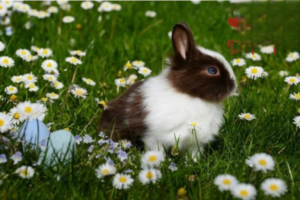
Popular large rabbit breeds include the French Hotot (8–11 kg, with panda-like eye markings), the gentle Holland Lop (2–2.5 kg), the fast-growing American Angora (5.3 kg by 11 months), and the massive Belgian Giant Chinchilla (record 12.7 kg). Each differs in temperament and care needs—Holland Lops are heat-sensitive and nocturnal, while Angoras are herbivorous wool producers.

Why Does a Dog Keep Scratching?
Frequent scratching usually means something is wrong with the skin: over-bathing or human shampoo, fleas and lice, healing wounds, allergic dermatitis, or eczema from bacterial, fungal, or mite infection. Bathe every 2–4 weeks with pet shampoo, deworm monthly (ivermectin or fipronil outside, albendazole inside), fit an Elizabethan collar on healing wounds, and use chlorpheniramine plus a skin spray for allergies. Small areas of eczema can be treated topically; otherwise see a vet.
What Foods Do Cats Prefer to Eat?
Cats lack the sweet-taste gene and rely on smell via the vomeronasal organ, so they judge food by aroma and umami, not sweetness. They detect at least six amino acids and prefer high-protein, fish-flavored, moist foods at room temperature—and they grow bored with the same diet unless raised on it from kittenhood. Vary textures and nutrients, but don't overindulge favorites or the cat will become a picky eater.

How to Deal With Dog Odor at Home
Dog odor comes from the dog itself—body odor, lack of bathing, bad breath, ear wax, full anal glands, or skin disease—and from accidents caused by untrained pups, marking during heat, diarrhea from parasites or parvovirus, or aging sphincter loss. Find the source, then improve hygiene (regular baths, weekly teeth brushing, ear and anal-gland care) and use an enzymatic deodorizer that breaks down odors rather than masking them.

Symptoms of Hepatitis in Dogs and How to Treat It
Canine hepatitis commonly shows up as loss of appetite, lethargy, digestive upset, weight loss, and anemia. Treatment targets the underlying cause and combines medication to support bile flow with a balanced diet and steady at-home care.

Pet Skin Diseases (Part 1): Parasitic and Fungal Infections
Skin disease is common in dogs and cats and tends to flare up and recur, usually because their skin defenses are weak and their surroundings are full of triggers. The two hardest types to clear are external-parasite infestations (fleas, lice, mites, ticks) and fungal infections (ringworm); both cause intense itching, hair loss, and skin damage and need treatment of both pet and environment. Since they are contagious and slow to resolve, early veterinary care and consistent parasite control are the keys to recovery.

What If Your Cat’s Cold Won’t Clear Up After Treatment?
If a cat's cold lingers after shots and medicine, the cause is usually poor home care or the wrong treatment — and viruses like herpesvirus can flare again. Support recovery with isolation and disinfecting, warmth and humidity, face cleaning, probiotics, and plenty of water; if it worsens, rule out panleukopenia or rhinitis at a clinic.

Simple Ways to Protect Your Cat’s or Dog’s Joints
Arthritis can't be cured, so protecting your cat's or dog's joints every day slows degeneration. Balanced nutrition, a healthy weight, regular moderate exercise, a joint-friendly home, and vet care when needed all help keep them mobile and comfortable.