Search Results
5279 results for “Can f 5”

Canine Parvo: How Long Until a Dog Is Out of Danger?
Canine parvovirus is fast and deadly, but a dog that survives the first critical days of treatment has a strong chance of recovery—roughly ten days of active care is the milestone owners watch. There is no single cure; vets combine immune support, gut protectants and fluids. Start treatment immediately.
My dog’s temperature has been stuck at 39.5°C all afternoon and won’t come down — what fever-reducing medicine works fastest?
A dog is regarded as feverish above 39.2°C, so a reading of 39.5°C confirms a true fever. Give a canine-specific fever reducer, or have a vet administer an injectable antipyretic; below 39.2°C it is usually just a cold and a fever reducer plus a cold-relief supplement will do.
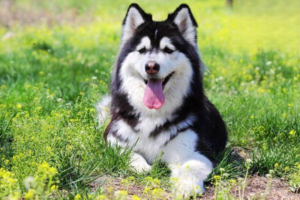
What to Do If You Are Allergic to Dogs
You may not be allergic to dog hair but to a protein in dog dander. Learn the cause and practical steps to keep a dog despite allergies.
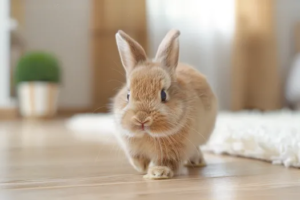
Appearance and Traits of the Giant Chinchilla Rabbit
The Giant Chinchilla is a massive, muscled rabbit — 6 to 15 kg, with a dense glossy coat in solid, tan, or dark-gray — yet it's gentle, timid, and lazy, eating modestly and sleeping long after meals. Large breeds outlive small ones, making it a calm, long-lived companion suited to older owners. Care centers on RHD vaccination at 30–45 days, four daily pellet feedings, no greens before weaning, and an alfalfa-based pellet mix.

What Are a Pet Rabbit’s Habits?
Pet rabbits are clean and dryness-loving, timid and noise-shy (a fright can stall a doe's labour), cold-hardy but heat-sensitive (adults like 15–25°C, kits 30–32°C), nocturnal feeders (up to 75% of food at night), keen burrowers, and same-sex squabblers — so give them a dry, quiet, cool, burrow-friendly home and nightly meals.

What to Do When Your Dog Has a Urinary Tract Infection
Urinary tract infections (UTIs) are common in dogs and cause painful or frequent urination, blood in the urine, and general discomfort. Mild cases respond well to antibiotics, but bladder or kidney stones can mimic the same signs and may need imaging or surgery. Good hygiene and diet adjustments are key to preventing recurrence.

How to Prevent and Treat Fur-Pulling Syndrome in Long-Haired Rabbits
Plucking wool from long-haired rabbits stimulates the skin and speeds up wool growth, but improper technique or timing can damage the hair follicles and lower both growth rate and yield. Disinfect tools and give dexamethasone before plucking, and treat any fungal or mite infection promptly with griseofulvin or ivermectin. Harvest on a roughly 75-day cycle—shorter in summer—groom regularly, supplement feed beforehand, and keep the rabbit warm afterward.
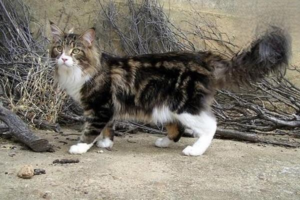
What Causes Abdominal Distension in Cats?
Abdominal distension in cats can signal anything from benign indigestion to serious congenital defects such as anal atresia or polycystic kidney disease. Dietary causes include spoiled ('toxic') milk from an infected queen, while parasites, infections, and simple digestive upset are common culprits. Because bloating ranges from mild to life-threatening, prompt deworming, probiotics, or a veterinary diagnosis is essential.
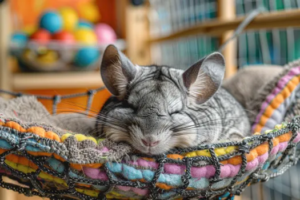
How to Care for a Spotted Hamster
Spotted hamsters need care tuned to their frailty: never a water bath (use sand), gentle hands, strict solitary housing, and a warm 25°C so they do not slip into a fatal pseudo-hibernation. Rough handling or caging a pair together ends badly, so go slow and keep them alone.
Why Do Cats Wiggle Their Butt Before Pouncing?
A cat's butt wiggle before pouncing is functional, not just funny: it coordinates both hind legs for a powerful leap, tests ground stability, and warms up the muscles, while also signaling hunting excitement driven by dopamine. It means the cat is fully braced for attack or prey—so keep your distance until it calms. The move is partly learned, as kittens under three weeks old don't do it.