Search Results
5271 results for “Can f 5”

Madagascan Big-headed Side-necked Turtle
The Madagascan Big-headed Side-necked Turtle (Erymnochelys madagascariensis) is the sole member of its genus, endemic to the rivers and lakes of Madagascar. Listed as critically endangered and heavily exploited for food, it remains rare in the pet trade and its captive care requirements are not yet fully established.

African Keeled Mud Turtle
The African Keeled Mud Turtle (Pelusios carinatus) is a side-necked turtle from Africa, dark gray to black with a keeled shell and a yellow plastron. A gentle, hardy semi-aquatic species that adapts well to captivity and makes a good, if uncommon, community turtle.

Costa Rican Orange Mouth Tarantula
The Costa Rican orange mouth (Psalmopoeus reduncus) is a small, fast, metallic-colored arboreal tarantula from Central American rainforests. Fierce and escape-prone, it is best kept by experienced handlers in a humid, arboreal setup.
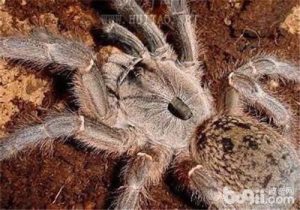
East African Horned Baboon Tarantula
The East African horned baboon tarantula is a rare, expert-level Old World species from Mozambique and Zimbabwe, with a potent venom and rapid movement. Terrestrial and requiring high humidity and strong ventilation, it is best left to experienced collectors.

East African Black Mud Turtle
The East African Black Mud Turtle is scarce in the wild and thus rarely kept in captivity; in China it is uncommon, though other side-neck species are seen more often, indicating its rarity and need for protection. It eats both plants and animals, living in shallow water and occasionally climbing onto land.
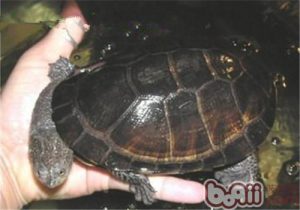
Acanthochelys radiolata (Brazilian Radiolated Swamp Turtle)
The Brazilian radiolated spiny-necked turtle is a rare Brazilian species in the genus Acanthochelys, named for the radiating pattern on its carapace. It is difficult to keep and seldom seen in captivity.
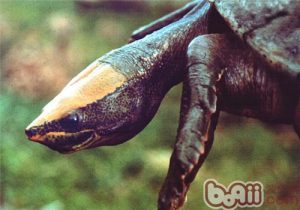
Central American River Turtle
The Central American River Turtle (Dermatemys mawii) is a large aquatic turtle, scarce in number and protected by local governments. It is a rarely seen aquatic species, the sole surviving member of the family Dermatemydidae, and an ancient reptile now found only in a small part of Mexico.

Mexican Fireleg Tarantula
The Mexican Fireleg Tarantula (Brachypelma smithi) is a beautiful but somewhat nervous spider native to Mexico. It prefers to hide in cool, dry, and dark burrows and grows at a relatively slow rate.
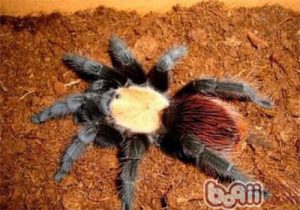
Mexican Golden Back Tarantula
The Mexican Golden Back Tarantula (Aphonopelma chalcodes) is a venomous desert-dwelling spider that can live up to 29 years. Despite its venom, it has a gentle temperament and is increasingly kept as a pet, earning it the nickname 'golden spider.'

South African Bowsprit Tortoise
The South African Bowsprit Tortoise (Chersina angulata), also called the angulated tortoise, favors dry, hot regions and becomes inactive and refuses food when captive temperatures drop below 20°C. A strictly herbivorous species, it feeds only on plant matter in the wild and accepts fruits and vegetables in captivity.